PIVOT DOORS
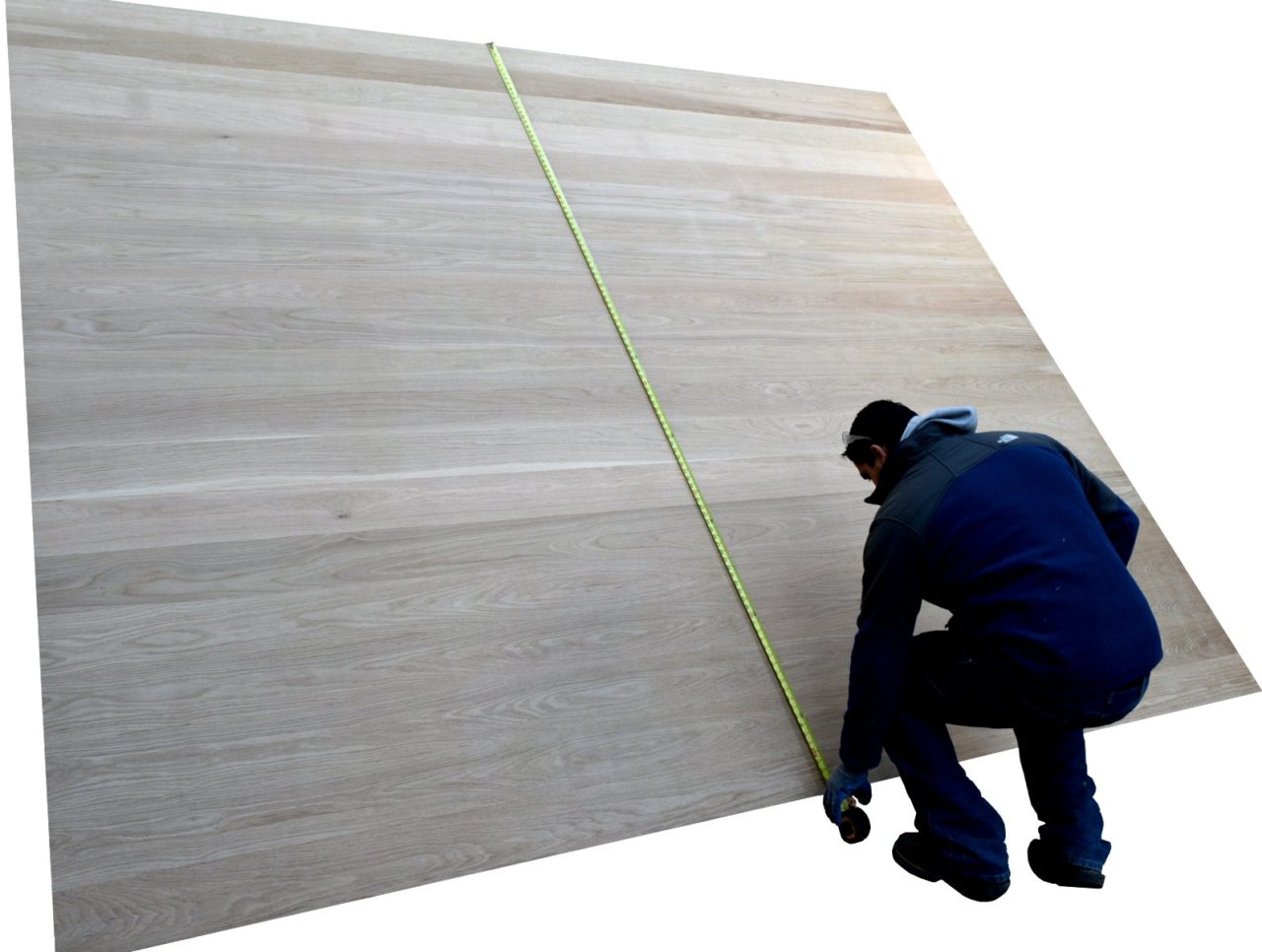
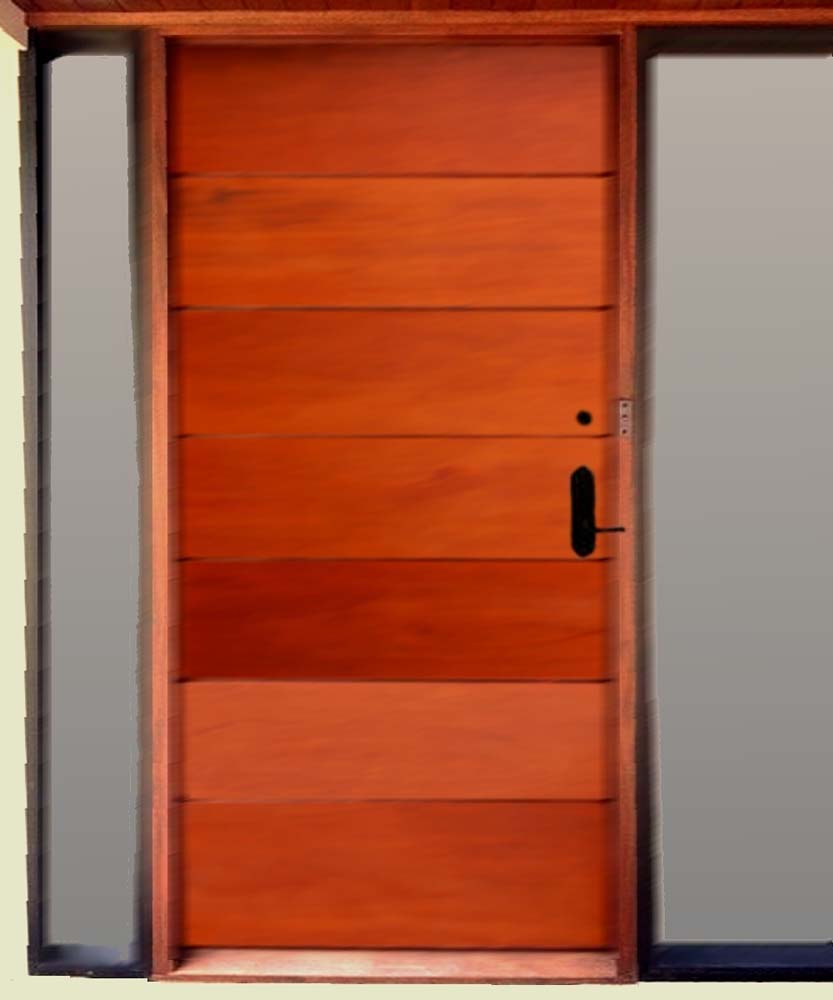
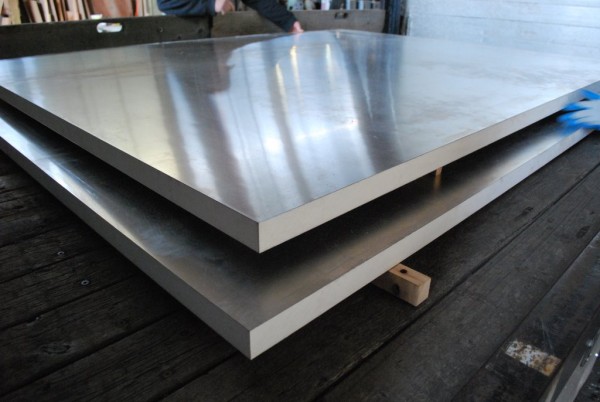
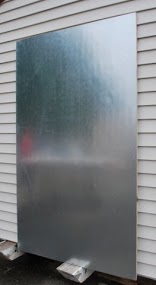
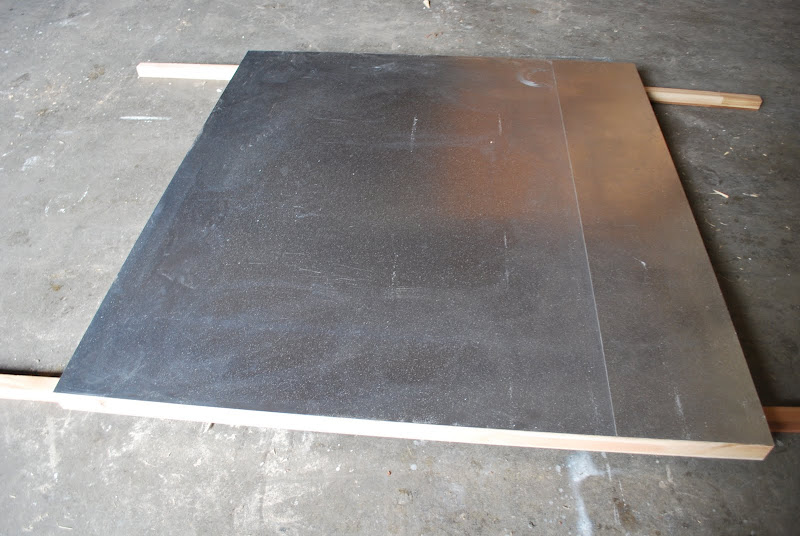
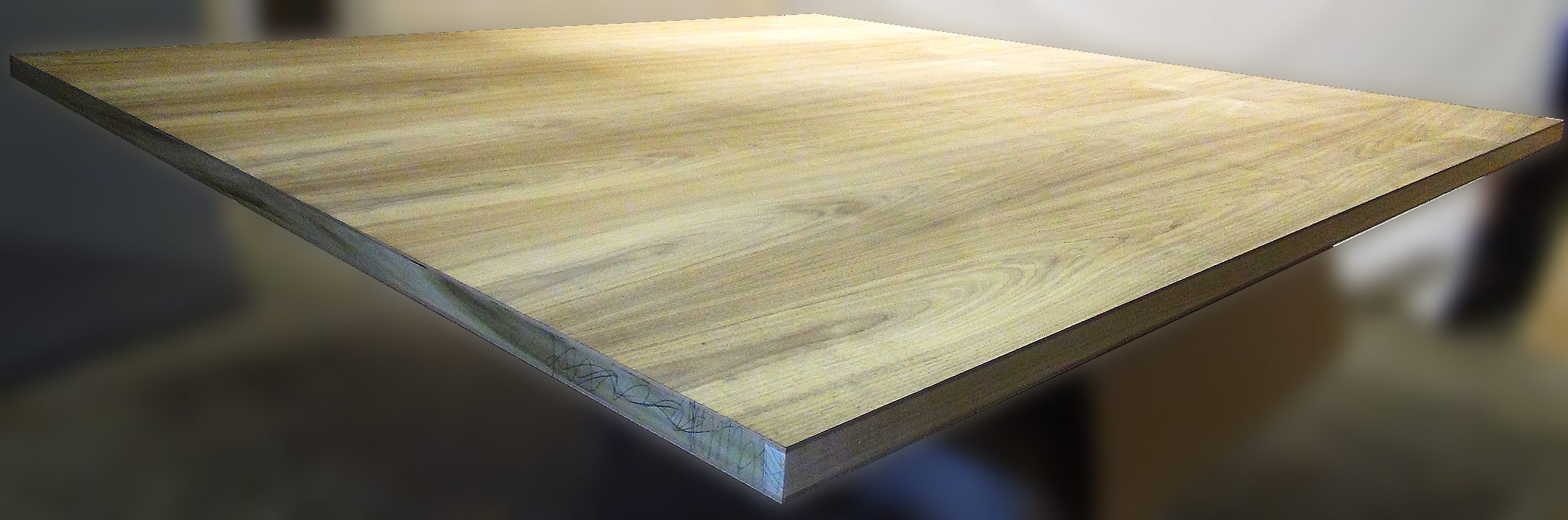
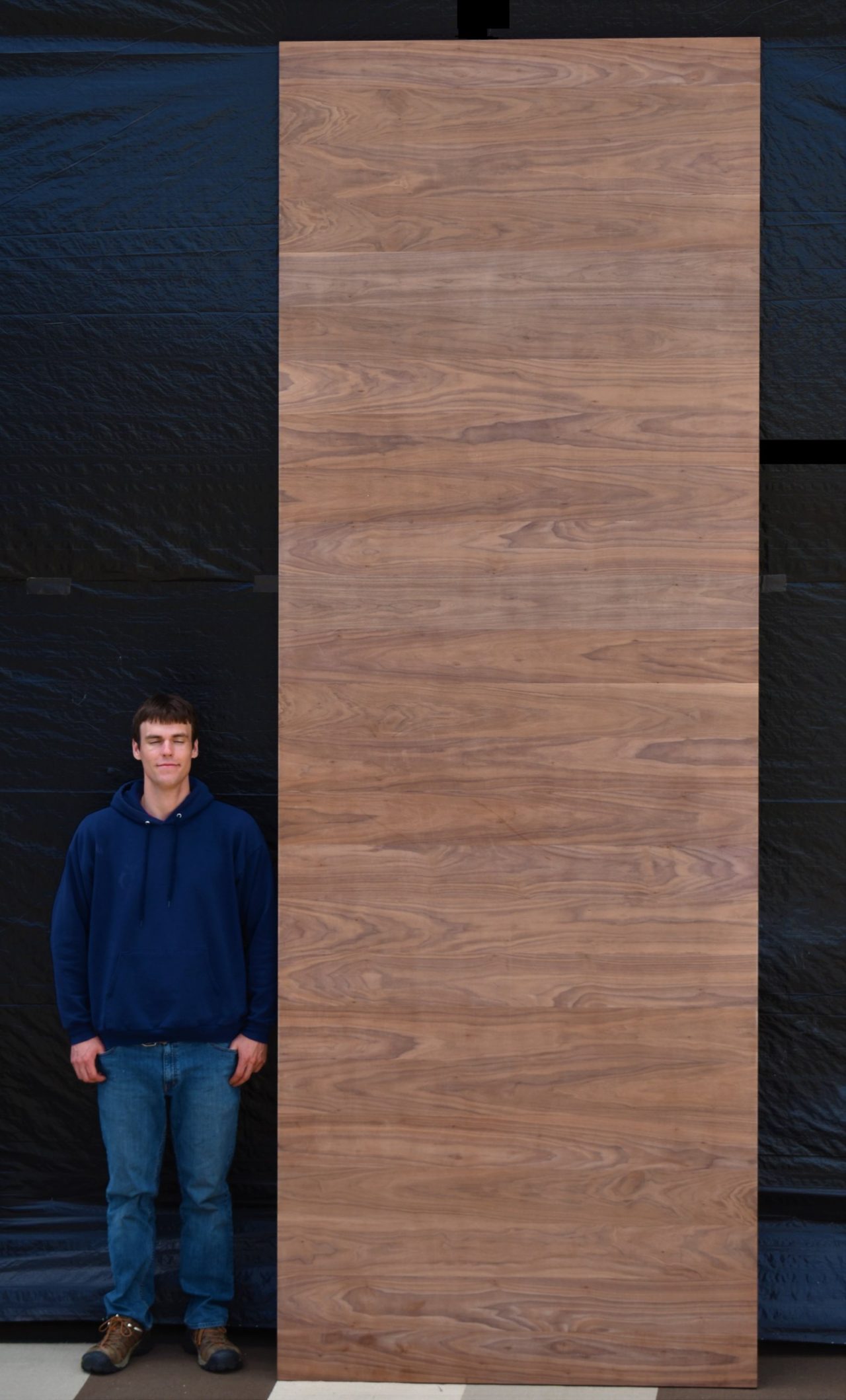
WOOD PLANK
|
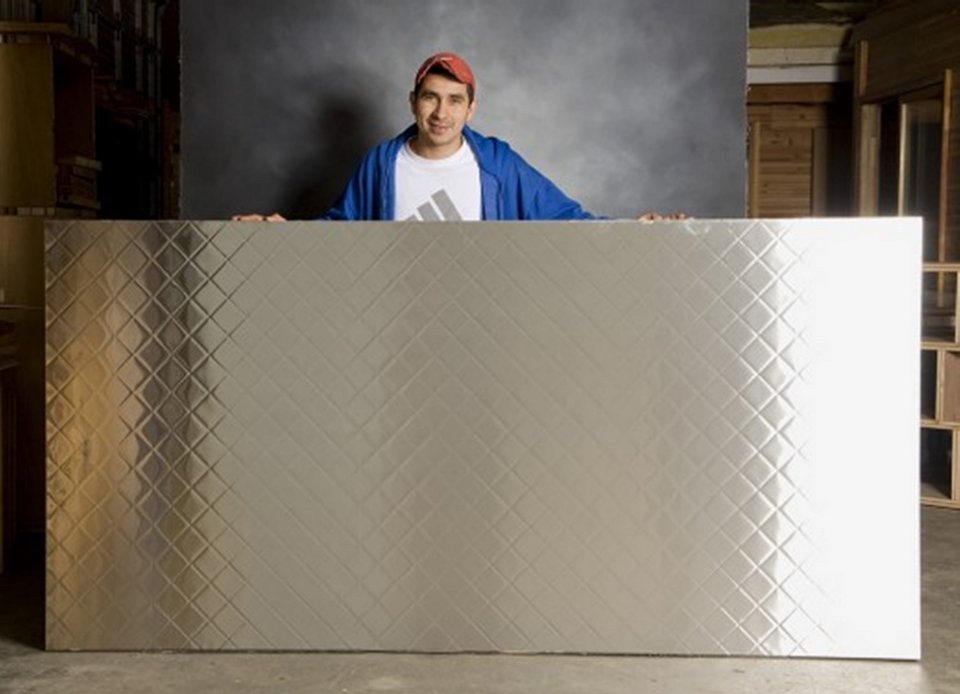
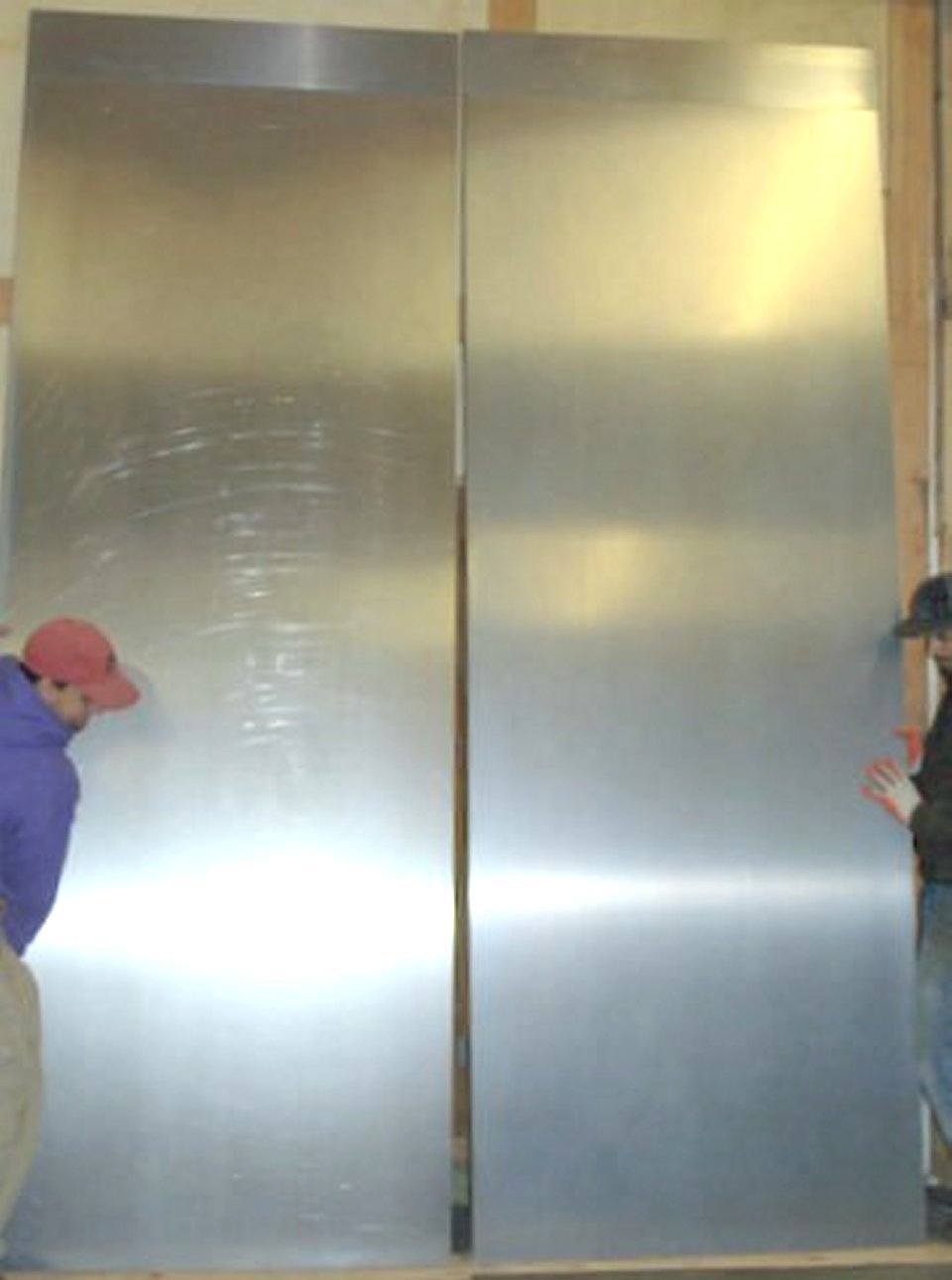
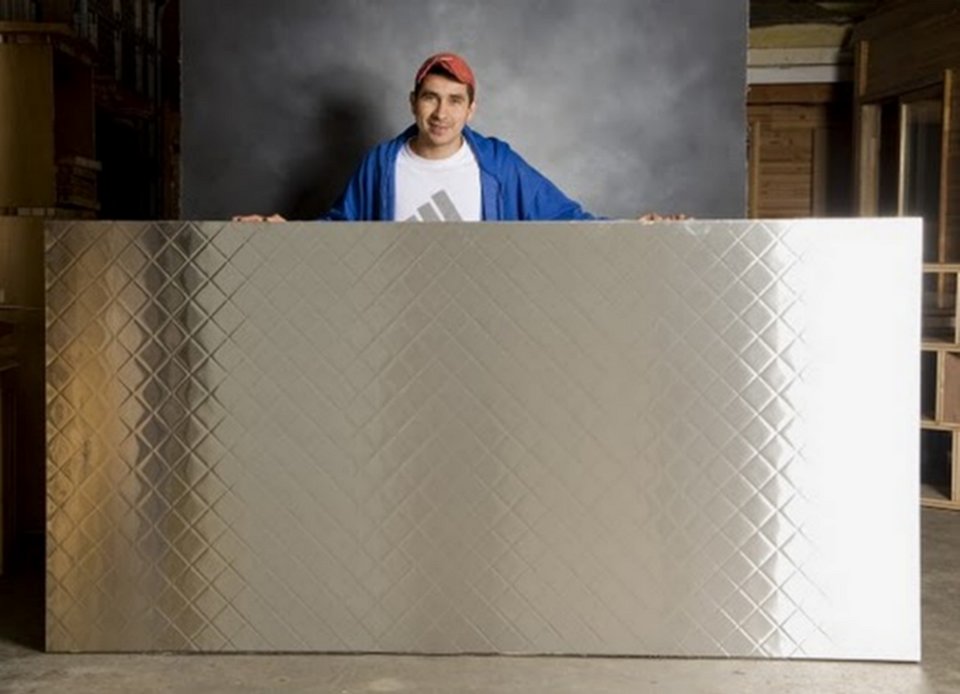
METAL
|
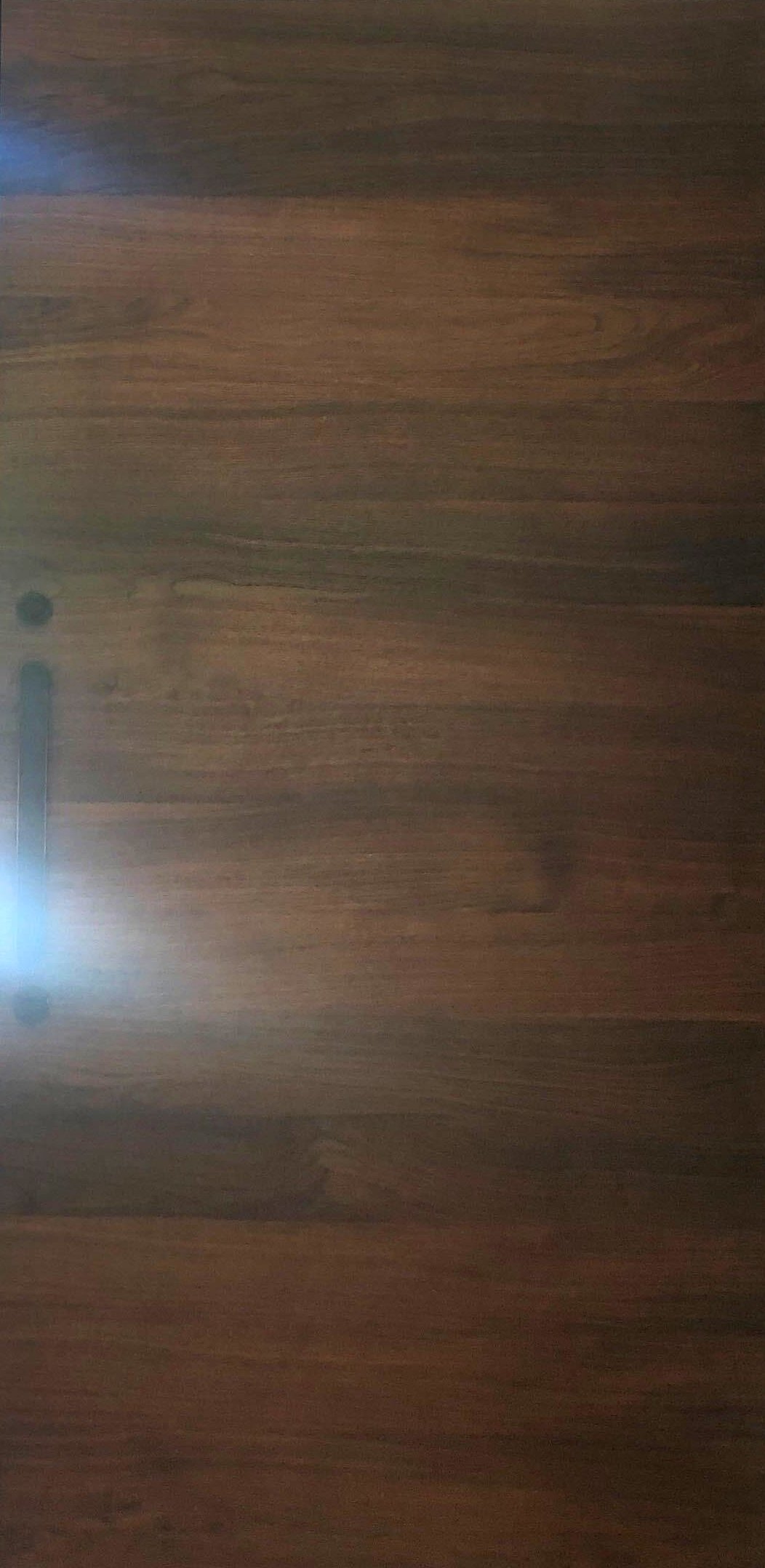
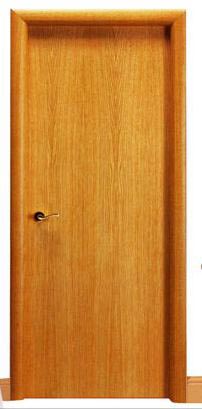
WOOD VENEER
|
WOOD PLANK
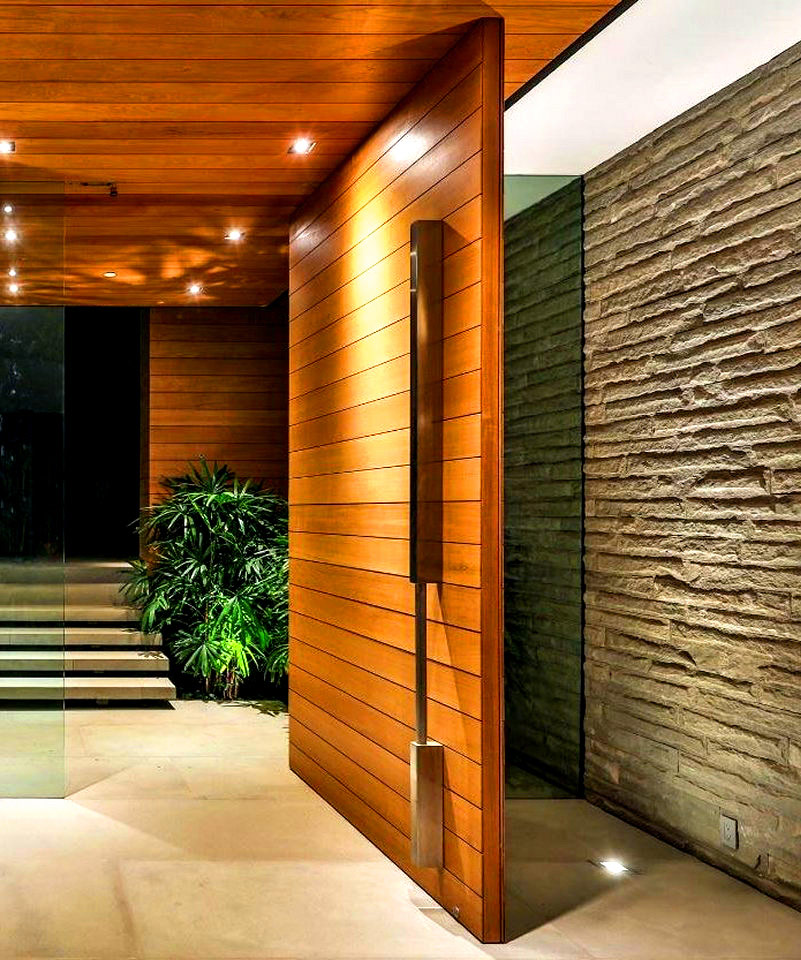
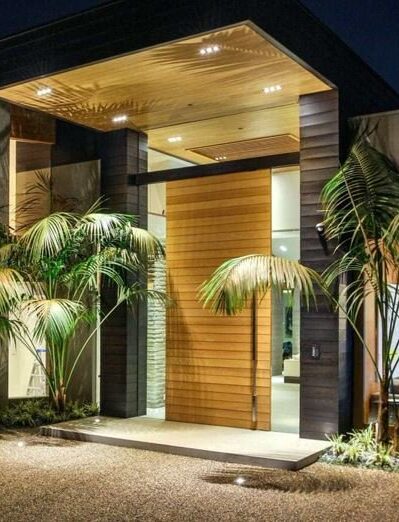
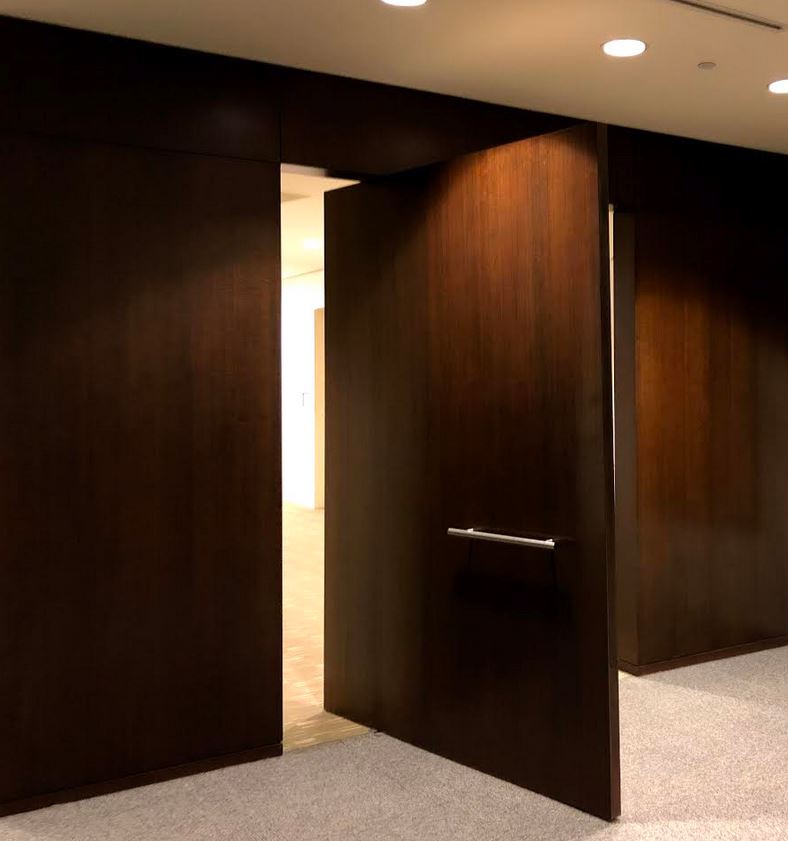
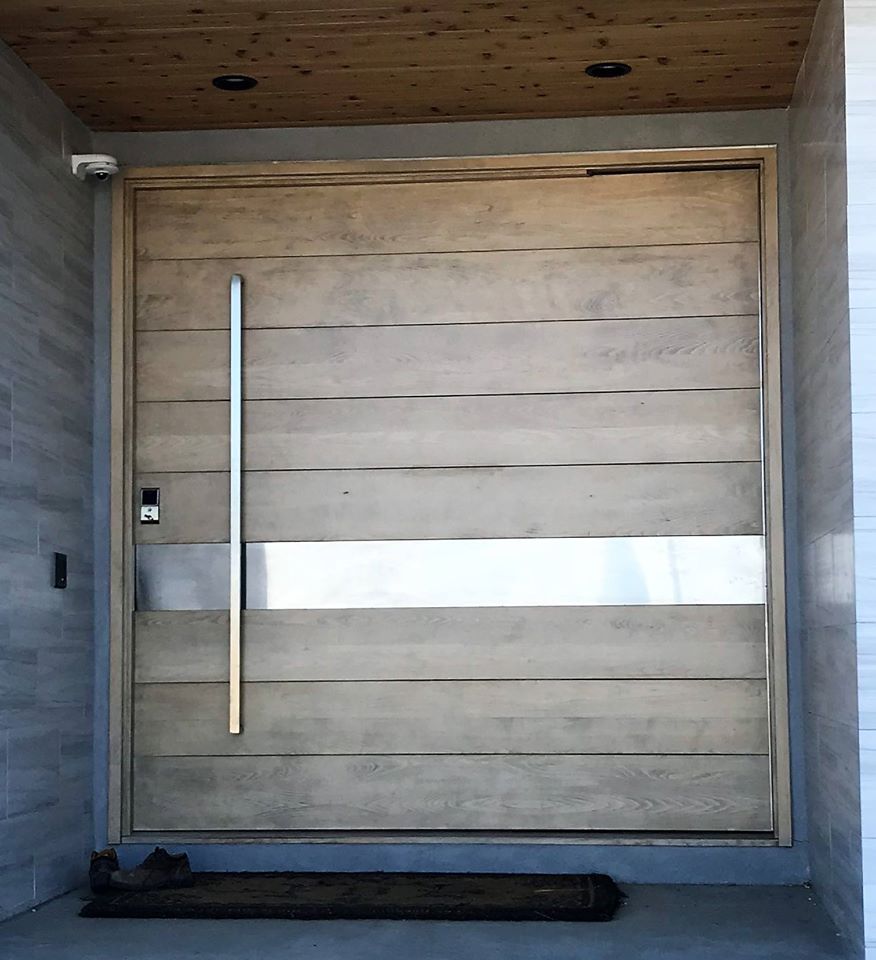
METAL

WOOD VENEER


Stile and rail doors are a foundational element in architectural door design. Sing Core’s patented and patent-pending technologies provide a structurally precise approach to building stile and rail doors that maintain long-term flatness and dimensional stability, even at large scales. Sing Core technologies allow stile and rail doors to be designed for projects where size, glass area, and precision exceed the limits of conventional wood construction.
Sing Core technologies support multiple construction approaches depending on design intent, performance requirements, and budget.
Sing Core’s patent-pending stile and rail system enables oversized framed doors with high structural integrity. This approach is designed for projects requiring large dimensions, thin wood frames, or heavy glazing while maintaining straightness over time. This method provides a cost-effective alternative to fully paneled high-end door construction while retaining precision and durability.
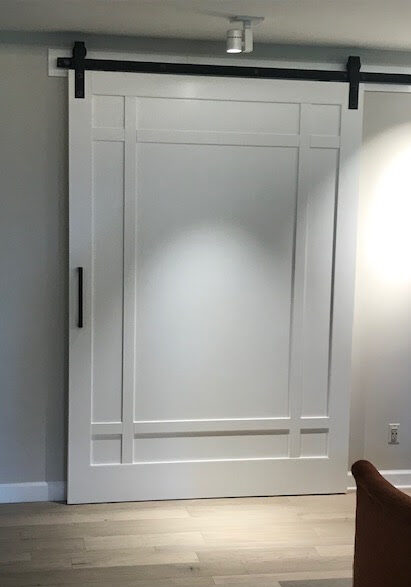
Stile and rail doors can also be created using Sing Core panels with applied molding or trim overlays. This approach achieves the visual language of traditional stile and rail construction while benefiting from the rigidity and stability of a panel-based core. Sing Core panel construction allows manufacturers to produce doors of virtually any size with consistent tolerances and strong perimeter framing capable of supporting large light openings.
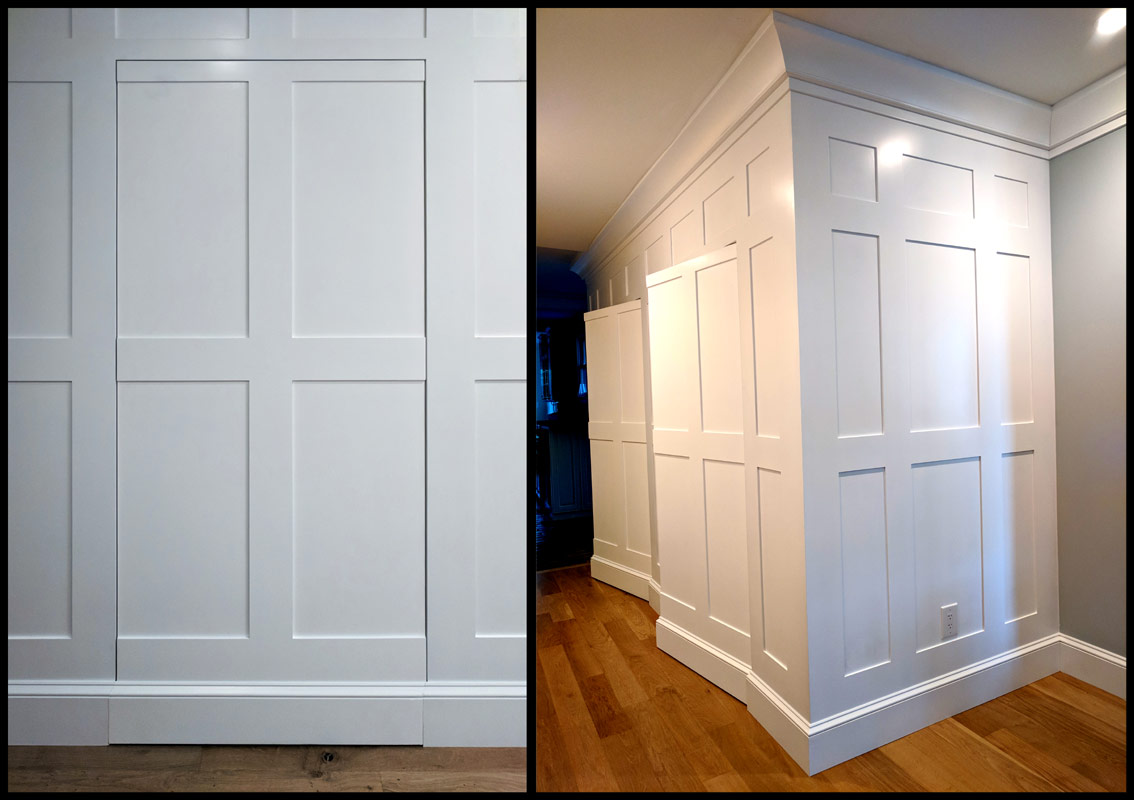
Sing Core technologies support large-format pivot and sliding doors using stile and rail construction. These systems were developed in response to projects requiring large glass cutouts, thin wood frames, and strict flatness requirements. The result is a wood-based stile and rail system with unusually high precision and structural performance.
Historically, large glazed stile and rail and French doors required aluminum or steel framing to maintain stability. Sing Core technologies allow wood frames to support large and heavy glass without joint failure or long-term warping. This enables architects to specify wood-framed doors for large openings without compromising performance.
Sing Core can support interior and exterior stile and rail doors in sizes ranging from 10 ft. up to 40 ft. wide or tall. Large proportions, thin frame profiles, and demanding light openings are achievable using Sing Core technologies.
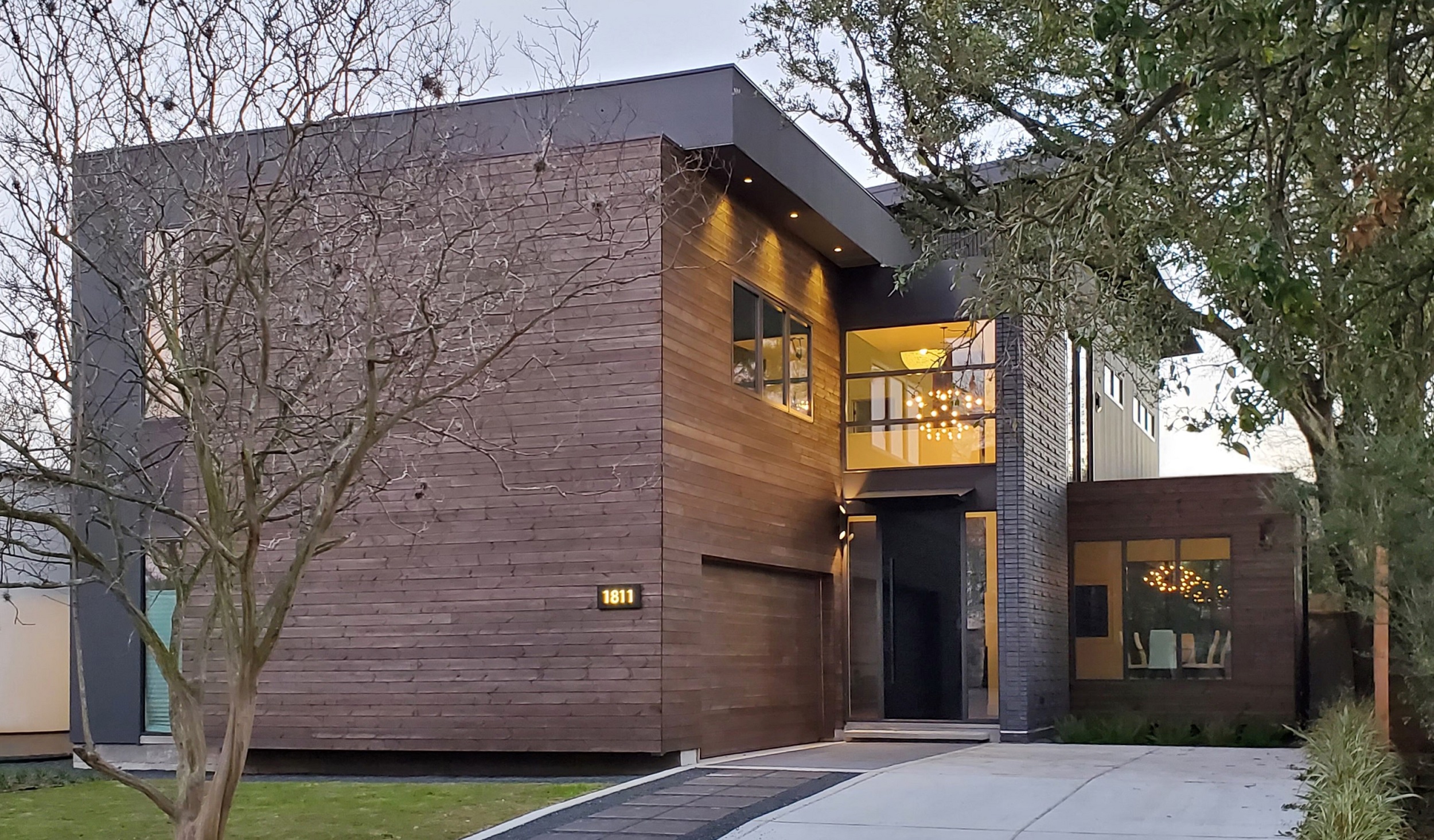
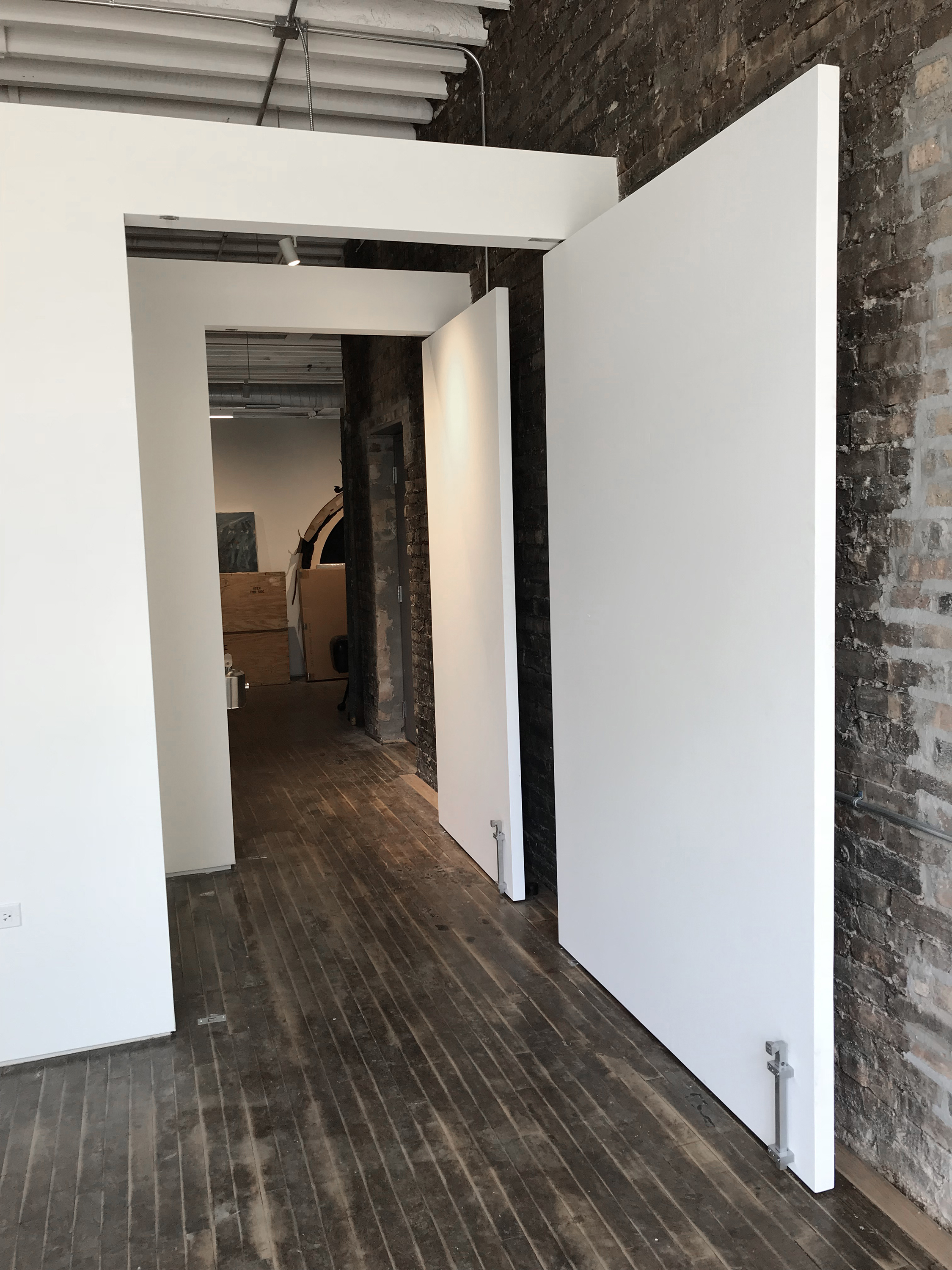
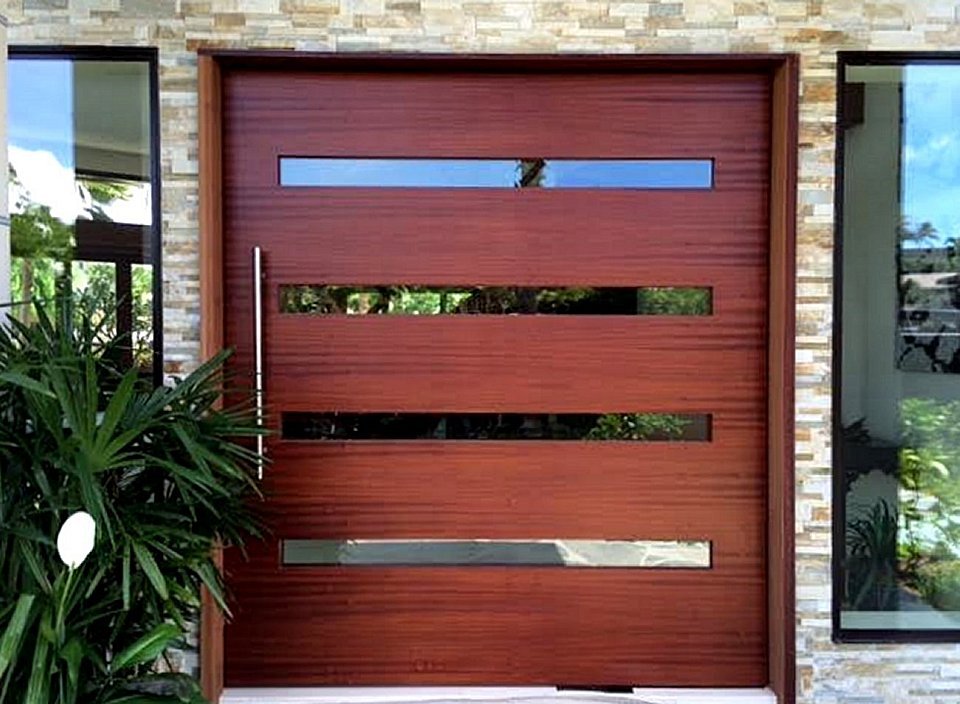
Large pivot doors continue to be a defining architectural element in contemporary residential design. Traditional wood stile and rail construction is often limited by movement and distortion at scale. Stile and rail pivot doors built with Sing Core technologies reduce those limitations while maintaining the visual character of framed wood doors.
Conventional stile and rail construction often presents constraints such as long lead times, size limitations, shipping challenges, and the risk of warping over time. Sing Core technologies address these constraints through engineered rigidity, scalable construction methods, and dimensional stability designed for long-term performance.
Large patio doors are frequently specified in aluminum or vinyl due to environmental exposure. Sing Core technologies enable wood-based patio door substrates and stile and rail frames to perform reliably in large exterior applications. These systems allow designers to retain the warmth and materiality of wood while meeting structural demands.
Sing Core technologies are designed to deliver high rigidity and resistance to deformation. The result is a door core system that remains stable across large spans and varying conditions.
Sing Core allows flexibility in stile and rail proportions, from traditional wide frames to slim architectural profiles. Thin wood frames can be specified while maintaining the strength required to support large glass units. This capability enables greater freedom in façade and interior door design.
Stile and rail doors built with Sing Core technologies can be executed as hybrid panel and frame systems, panel-based constructions with applied molding, or standalone stile and rail frames. Each approach offers precision, strength, and dimensional reliability suited to high-performance architectural applications.
 |
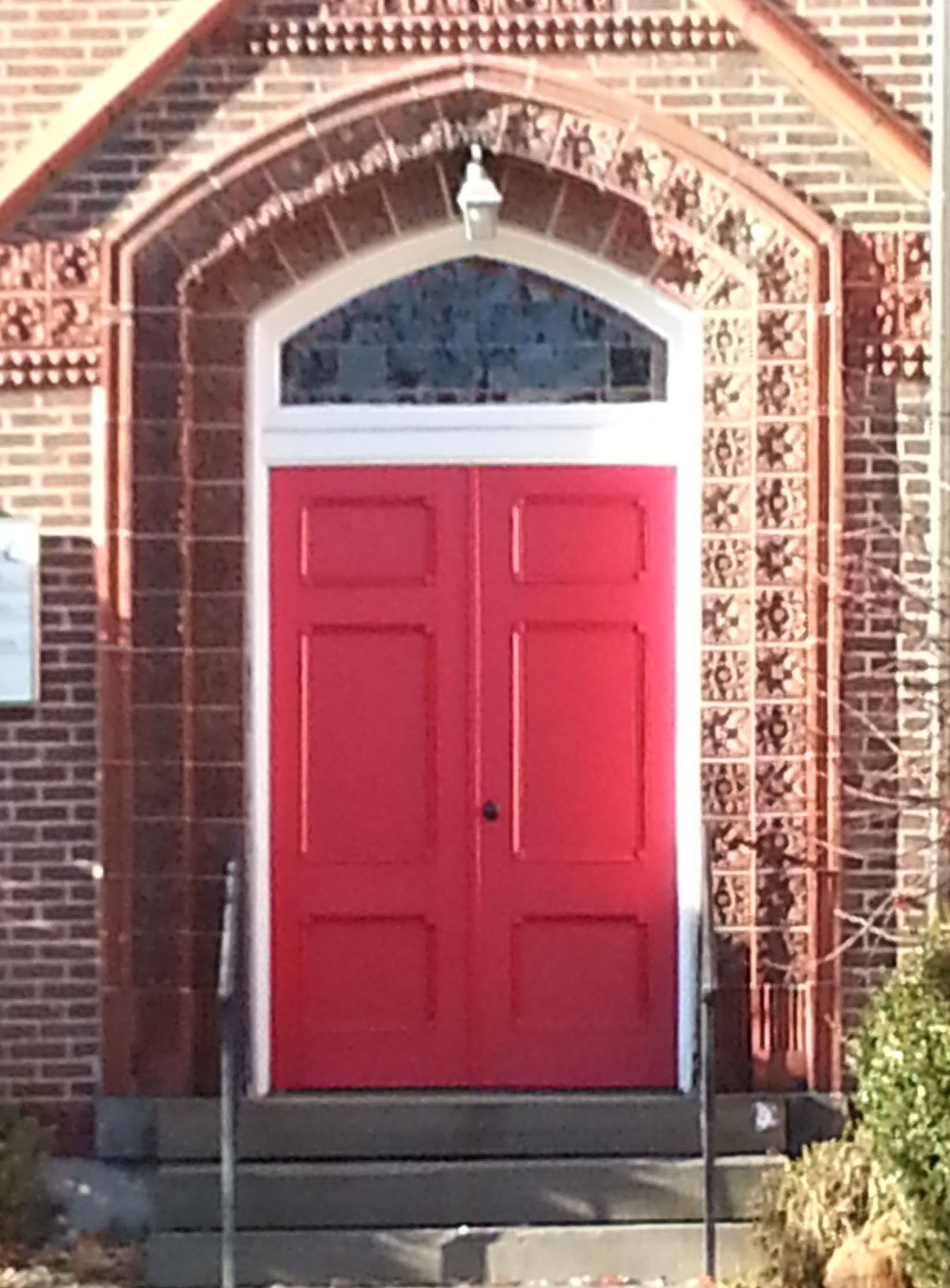 |
The picture above is a door that began as one of our famous true flat Sing Core door blank. They then overlaid trim, or molding, to create the appearance of a stile and rail door. As you can see, this door has been exposed to full weathering 100% of the time and shows no signs of warpage or failure. Our panel doors are used in the most high-end houses in the US.
 |
 |
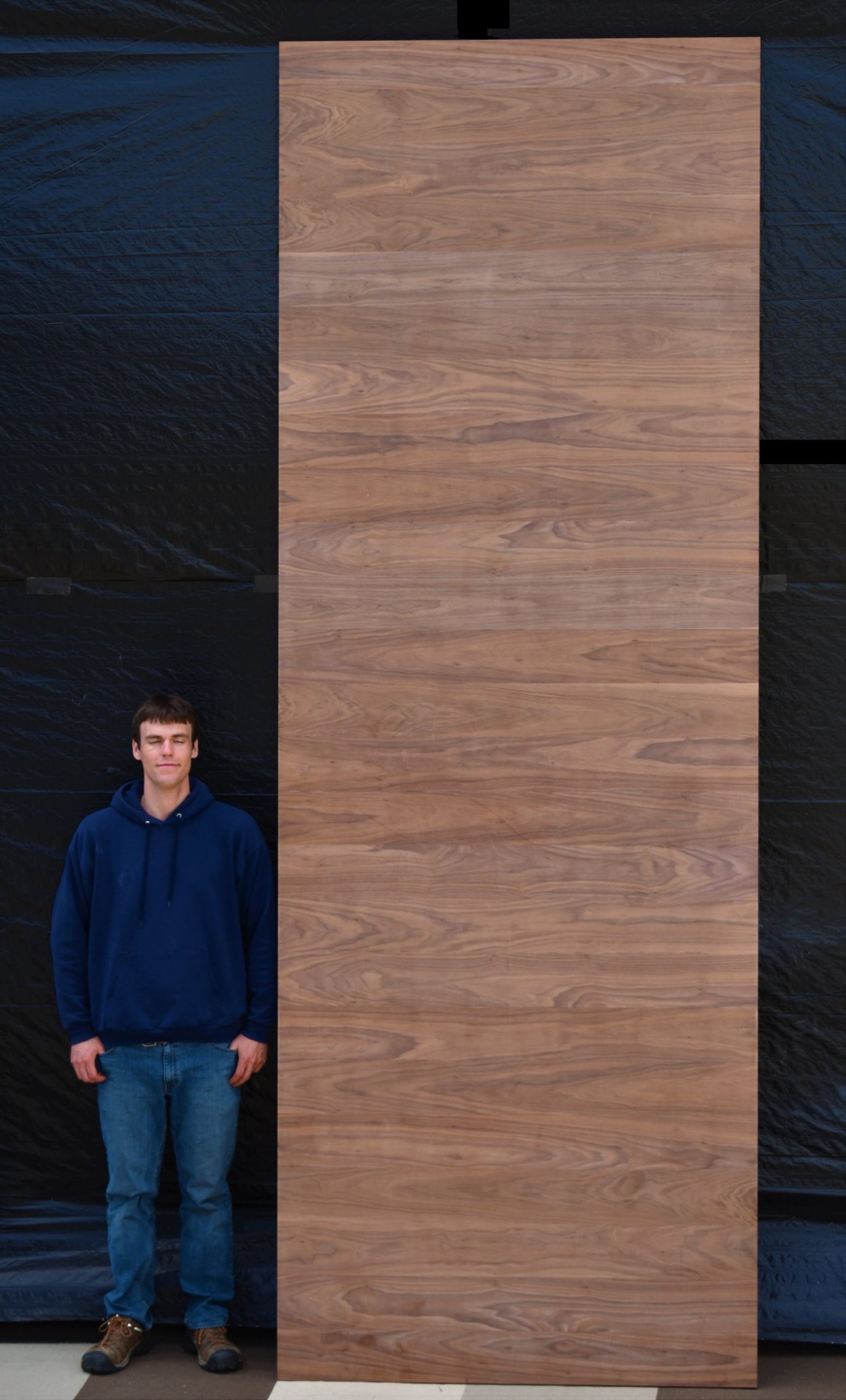
Here are the top 4 ways architects are making the world’s best doors with Sing Core inside.
Even the biggest doors, can save the budget and increase performance by making minor adjustments in the size. How tall? How wide?
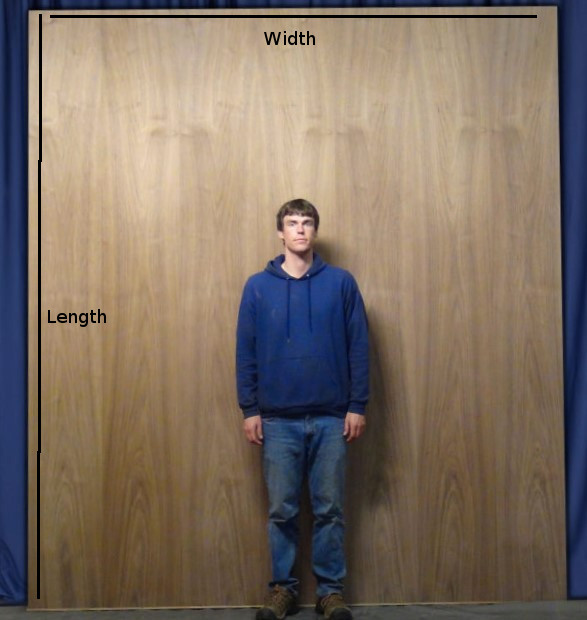
How thick is your door? Increase a 1.5-inch door to 3 inches and enjoy 4-times the strength with a weight increase of as little as 5 to 10 percent. A little thickness can go a long way.
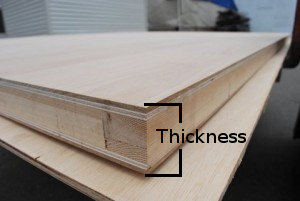
Some door skin material is more accommodating than others, different wood species have varying degrees of challenges
Veneer. Very thin veneers are best laid on a very smooth layer of MDF for flawless hot pressing. You will find Sing Core inside the best high-end veneer doors.
Wood Stave: Wood stave skin is sliced and sanded from larger wood stock. We suggest 1/8th inch or 1/4 inch if cutting designs or grooves into the surface.
Paint Grade. MDF is again, an amazingly smooth surface to paint upon for outstanding paint grade doors.
Covered Plywood. Plywood can be covered in a wide variety of skins, such as fiberglass, vinyl, HPL, Formica, ceramic, or metals, such as aluminum, or steel.
See: Other Door Skin Types

Sing Core is not just one patented product, though it did start that way. The sing Core door solution now includes many different patents and patent-pending techniques that help to solve the problems facing architectural doors of any size or style, from door blanks to stile and rail doors. By making slight adjustments in the door’s measurements or other ingredients, you could reduce the cost of mandatory engineering and technology to keep the door straight, thereby reducing the overall cost of the door. This is the specialty of Sing’s True Flat Team.
Architects are the most discerning creators in the world because they desire to push the design envelope to the next level? One of the most dramatic impacts they can make on a new design is to apply their imagination to the structure’s first impression.
The project budget may not allow for a structural design that is so unique that anyone who approaches the project knows they are encountering a unique structure and experience based on the style of the structure. The next point of impact is the front door.
Sing Core empowers architects to create these one-of-a-kind creations that serve as the main entrance to the structure that represents their efforts to share their creativity and imagination with the world. See these Impossible Doors.
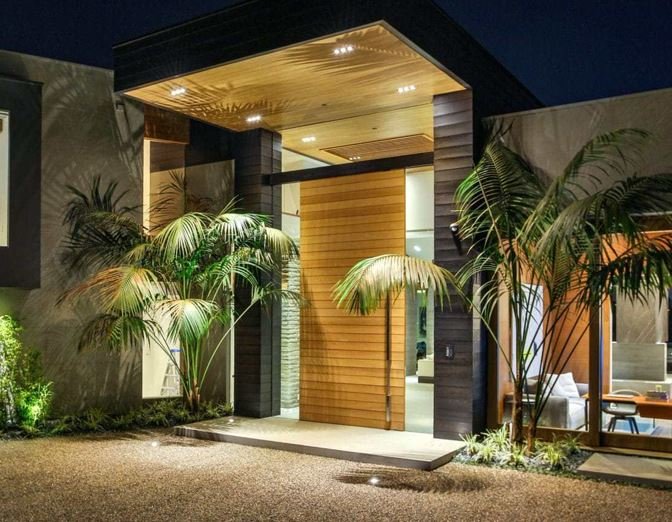
| A common approach to an architectural front door is to create a door of immense size. Architects understand that there will be issues with incorporating a huge front door. The first challenge they face is balancing issues associated with weight and strength. | 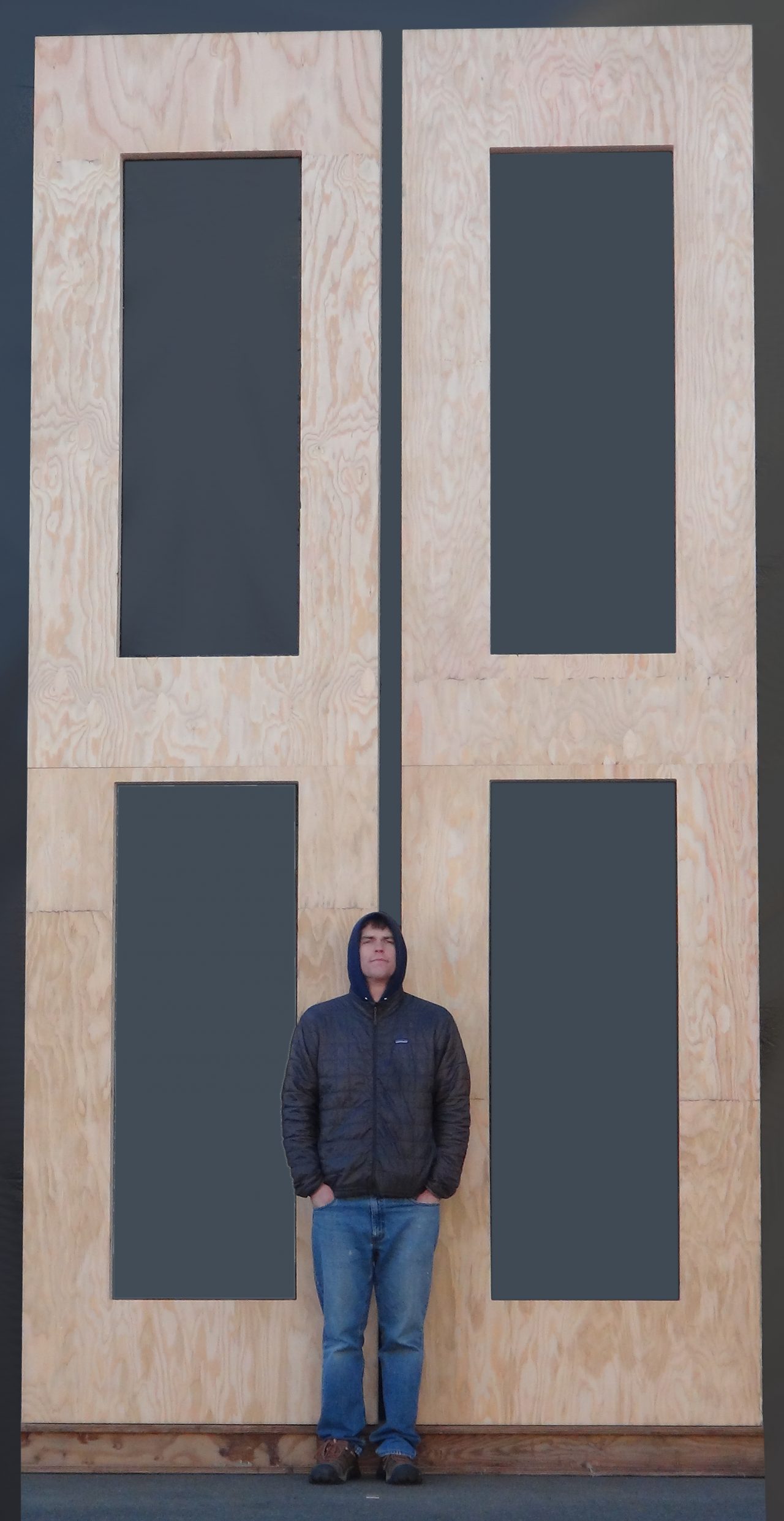 |
Big doors are heavy. The bigger the door, the heavier the door. Big doors can be dangerous to install and can be dangerous to use. Large oversized heavy doors are expensive to make, handle, ship, install and maintain over time. Note: Door hardware is based on the weight of the door, a very heavy door, will require very heavy duty and expensive door hardware. (In some cases just the hardware will cost more than the door.)
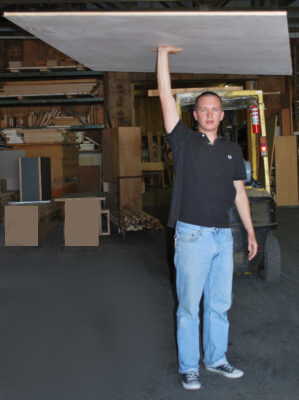
At some point, as the door size increases, strength and dimensional stability decline. A very large door presents many challenges with trying to keep the door straight and true, so that it not only looks good but operates flawlessly over time.
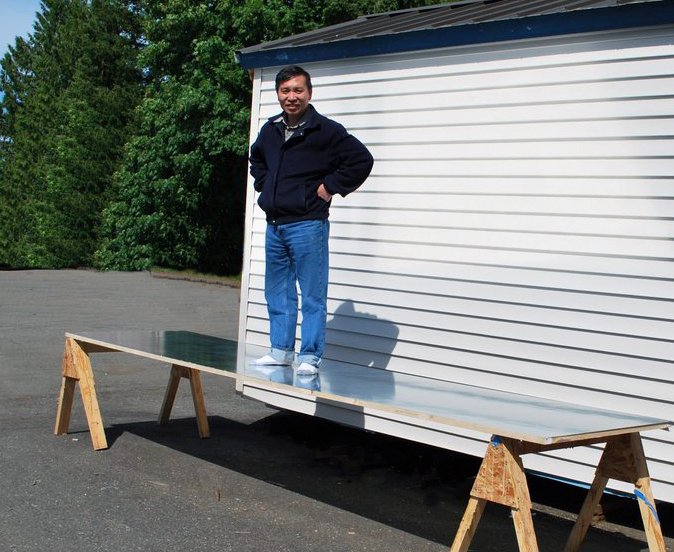
The exterior surface of the best architectural doors in the world presents their own set of challenges, whether they be exotic wood (natural wood grain, while it is beautiful, poses the most problem for potential movement due to the nature of the wood’s grain), hot rolled steel, or any other type of surface material.
| Veneer
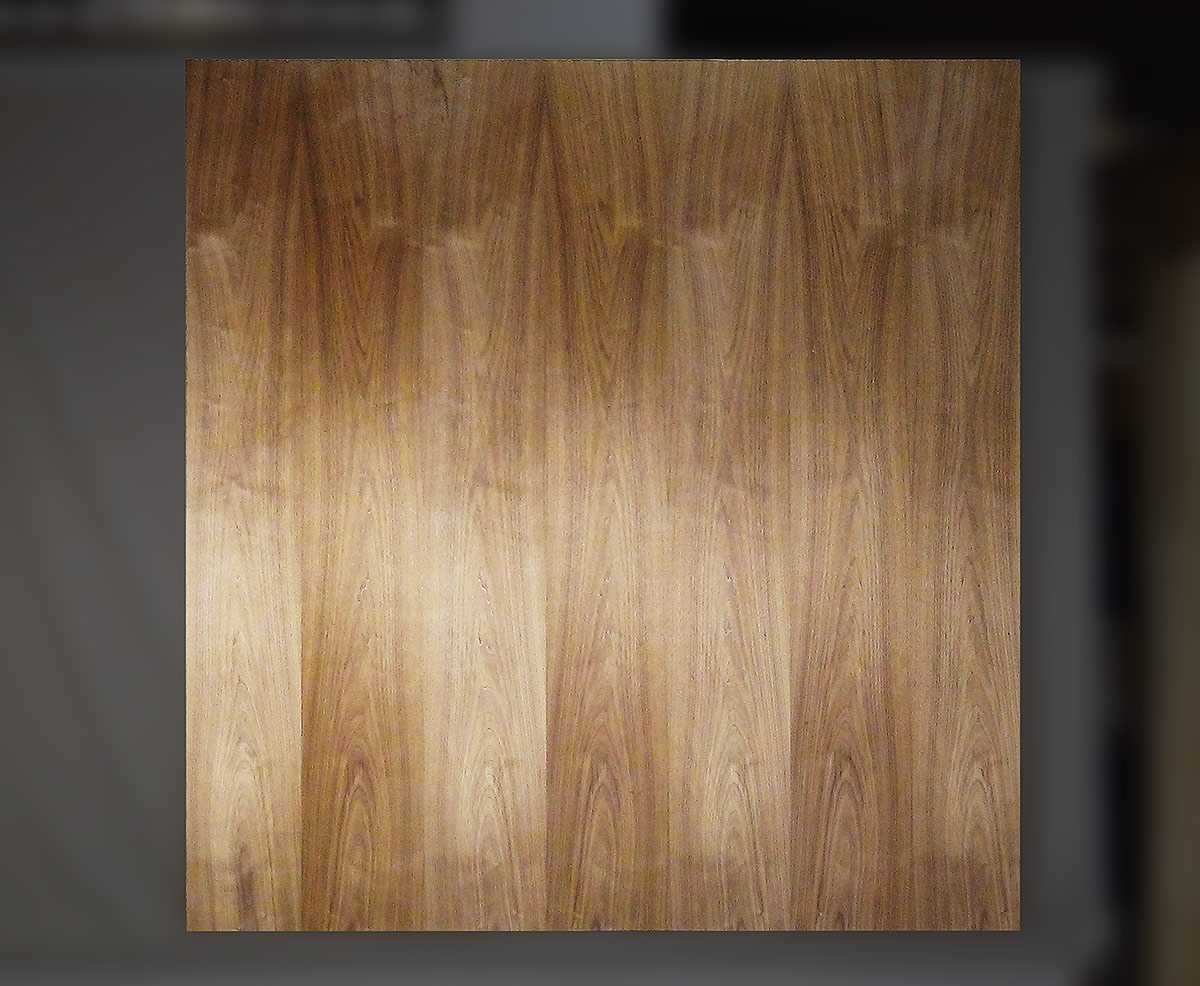
High precision veneering requires the smoothest surface for hot pressing, so we use our lightweight MDF which also has excellent adhesion. Thin veneers (like .030) can be very fragile and are susceptible to damage easily, so for high traffic doors, we suggest upgrading wood stave for strength and longevity. 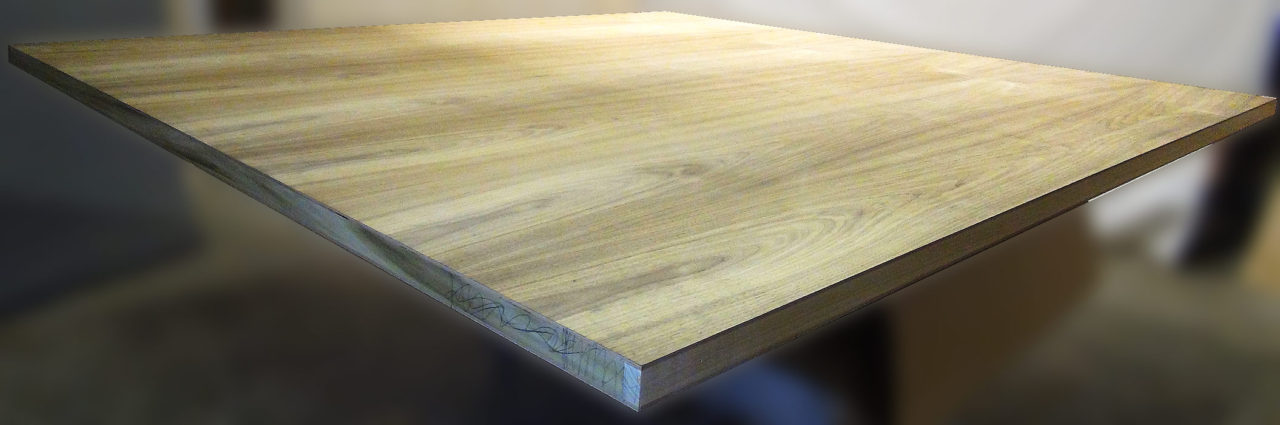 Wood stave is sliced and sanded from larger wood stock. We suggest 1/8th inch (1/8 inch compared to ¼ inch looks identical but less chance to move) or 1/4 inch if cutting designs or grooves into the surface. It can be challenging depending on the wood species and may require more Sing technology inside to keep warp-free. 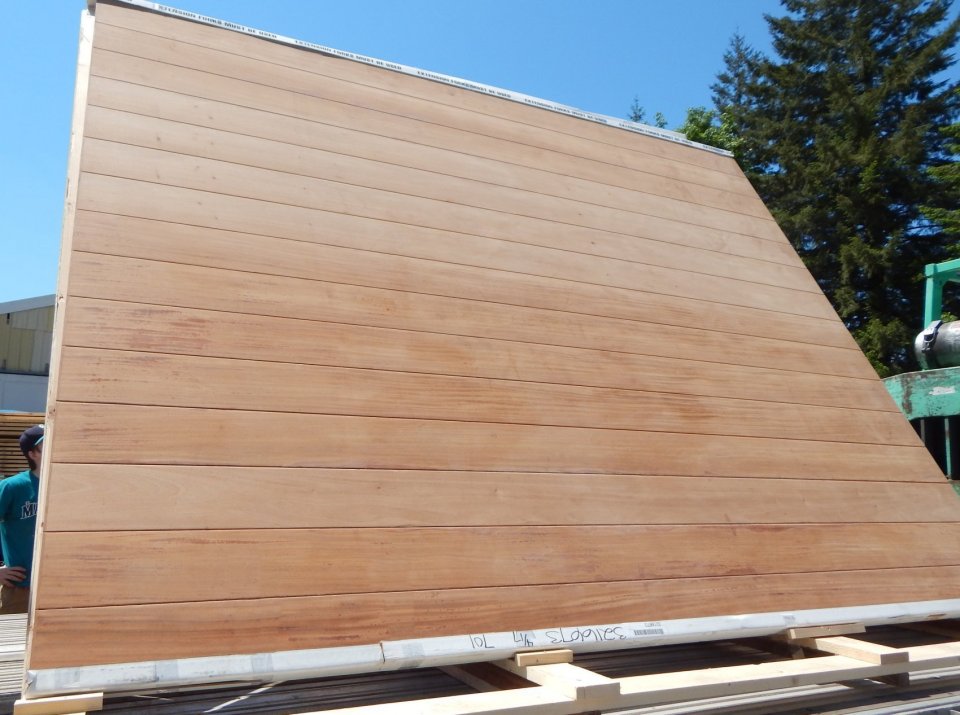 MDF is again, an amazingly smooth surface to paint upon. Assure your paint-grade doors are beautiful as you are coating them with high-precision finishing paint.  Plywood can be covered in a wide variety of skins, such as fiberglass, vinyl, HPL, Formica, ceramic, or metals, such as aluminum, or steel.  |
Managing a very thick moving door can present challenges, even more so if the door is very thin, and requires a great deal of engineering to make it stay straight and true over time.
Exterior doors are by far the most impressive and challenging architectural doors to consider, because they are used regularly, and one side of the door is exposed to opposing environmental conditions, increasing the door’s inclination to favor one side over the other, resulting in a warping condition.
Extra patented and patent-pending Sing technology is necessary to counteract these conditions, and therefore Sing’s True Flat Team must be aware of the conditions this door may be exposed to in order to have the necessary anti-warp technologies inside prior to manufacture or installation,
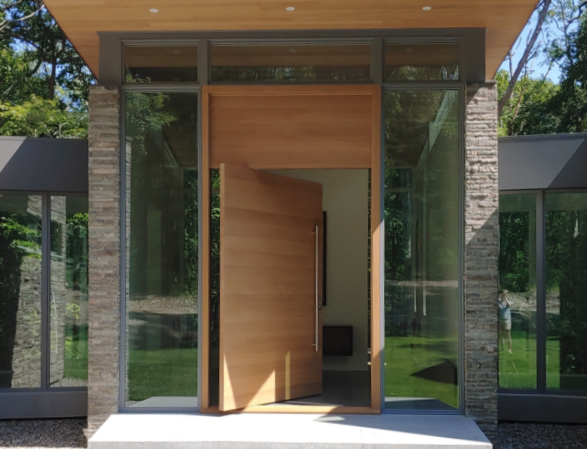
When it comes to high precision, no other door substrate can compare to Sing Core. Go ahead and pull out your micrometer and measure for yourself. Sing Core sports the highest tolerances at +/- .006-in. If your job demands high precision, it doesn’t get any better than Sing Core.
In the world, as we know it, there is no such thing as perfectly straight. The AWI does advise that there are tolerances allowed for straight non-warped doors, and the hardware manufacturers create mounting and articulating equipment to accommodate these specifications.
But this one thing we guarantee, that your door with Sing Core inside will be the closest thing to perfectly straight possible, and it will perform better than any AWI standard.
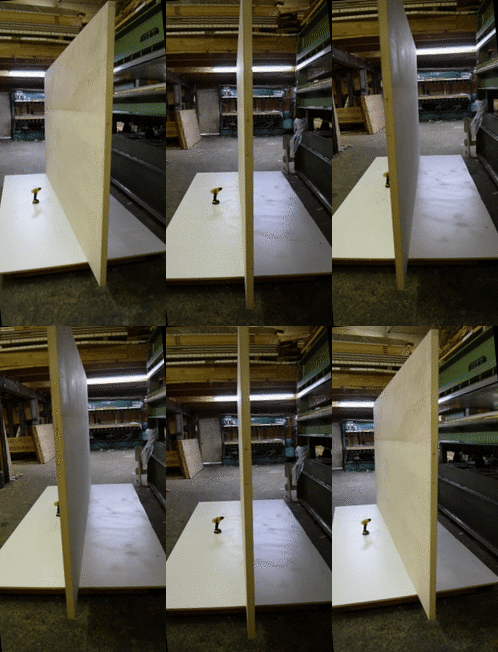
Your door, with Sing Core inside, can be guaranteed not to warp, bend, twist, cup, delaminate, otherwise fail for 50 years. No other door in the world can offer The Only 50 Year Non-warp and Structure Guarantee as Sing Core can.
Maybe you will agree with our clients who say,
 The Most Beautiful Tiny House in the World
When an artist and craftsman comes to you and asks “what materials would be best to use in the making of the most impressive hand-tooled woodworking tiny house project?” The answer could very well be “Sing Core.” The inventor of Sing Core, Peter Sing, asked the creator of this beautifully executed project that could easily […]
 How to Build a Tiny House Photos
There are many ways to build a Sing Tiny House. Here’s an step-by-step example of a highly energy efficient tiny house with R-27 walls being built from scratch. How to Build a Tiny House Photos Fill out my online form. Tiny House News See Also: Free Tiny House eBook Tiny House How to Build […]
 Tiny House Reinforced Structural Insulated Panels Home Improvement
Sing Core is proud to announce that their Sing Sandwich panels are now conveniently available at your local Lowe’s Home Improvement Warehouse. Why Build a Tiny House with Sing? There are so many reasons but the most popular ones are: Fastest and easiest tiny house building Why spend weeks building your tiny house, when you […]
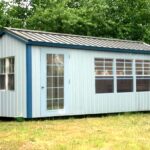 How to Design, Order and Build your Tiny House
Patented Sing Core has endless applications. Because some of the finest, high-end tiny houses are built using Sing technology, we get a lot of calls about using Sing Panels in tiny house designs with varying degrees of preparation. We work with architects and designers who have the concept completed, and they order the number panels […]
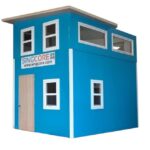 Shop Tiny House
Breaking News Sing Core took the Seattle Home Show by storm in 2019 by introducing a new concept in Tiny House building and design. This year Sing Core rolled out a two-and-a-half story tiny house that would be too tall to transfer via public highways. That is, unless the top folded down upon itself so […]
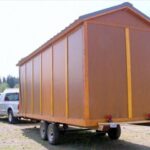 Upscale High-end Tiny House
Many people, who stick their toe in the water of the Tiny House movement, are lulled by the inexpensive option(s) associated with living affordably in a structure that is a fraction of the square footage of a larger home. To some this makes perfect sense and is an Eco-friendly approach to living more simply for […]
 Tiny House Mobile Small Home on Wheels
Patented Sing Panels have been used in many industries such as home building, boat building even in the aircraft industry. Making its way to the forefront recently are advancements being recognized by the tiny house community. These tiny house designs are springing up all over the United States (and the world) in the smallest footprints […]
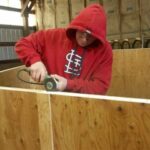 Tiny House How to Build
Sing Tiny House: How to build a Tiny House completely with Insulated Sing Honeycomb Panels Step Step 1 Lie Sing Honeycomb panels on top of a treated timber foundation frame and fasten with screws. Step 2 Connect floor and wall panels together using glue and screws. Step 3 Remove bits of honeycomb core to implant […]
 Tiny House FAQ
Home -> Products -> Applications -> Tiny House -> Tiny House FAQ Tiny House FAQ 1) How can I get Sing Panels to use in my Tiny House? The demand for Sing Sandwich Panels in tiny house building is huge, be aware that we do not sell to end-users, only wholesale (unless you are purchasing a Sing […]
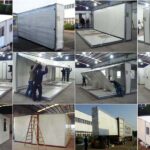 Folding Modular House Competition
Four years ago a company introduced a concept that was recently presented to Sing Core. An excellent idea that did not work out well due to not having access to the adequate building materials. This aluminum shelter was a great idea and design, being unfolded and assembled quickly is a magnificent concept for a temporary […]
 Smallest House in the World
The Smallest House in the World can have all the conveniences of home in such a small space: Assembles quickly (easily in 10 minutes) Small quality living space Insulated floor and walls Easy to heat Very strong (can survive hurricane or earthquake) Plenty of headroom for Standing Exercising Pacing Plenty of room area to stretch […]
If you would like to know more about how to design a door with Sing Core inside, click here.
When it comes to building the most unique doors, especially large, oversized doors of any size (up to 20 x 60 ft. or more), type, or style of door, Sing Core’s True Flat Team knows how to bridge the gap between impossible and possible, by applying many variations of their patented and patent-pending technologies to make it happen. Some of our most recent projects include curved doors, Sing stile and rail doors, new patent pending Sing Core stile and rails, long-span wood stave planks, CNC door carving blanks, large sliders with man doors, billionaire home doors, and hot rolled steel doors.
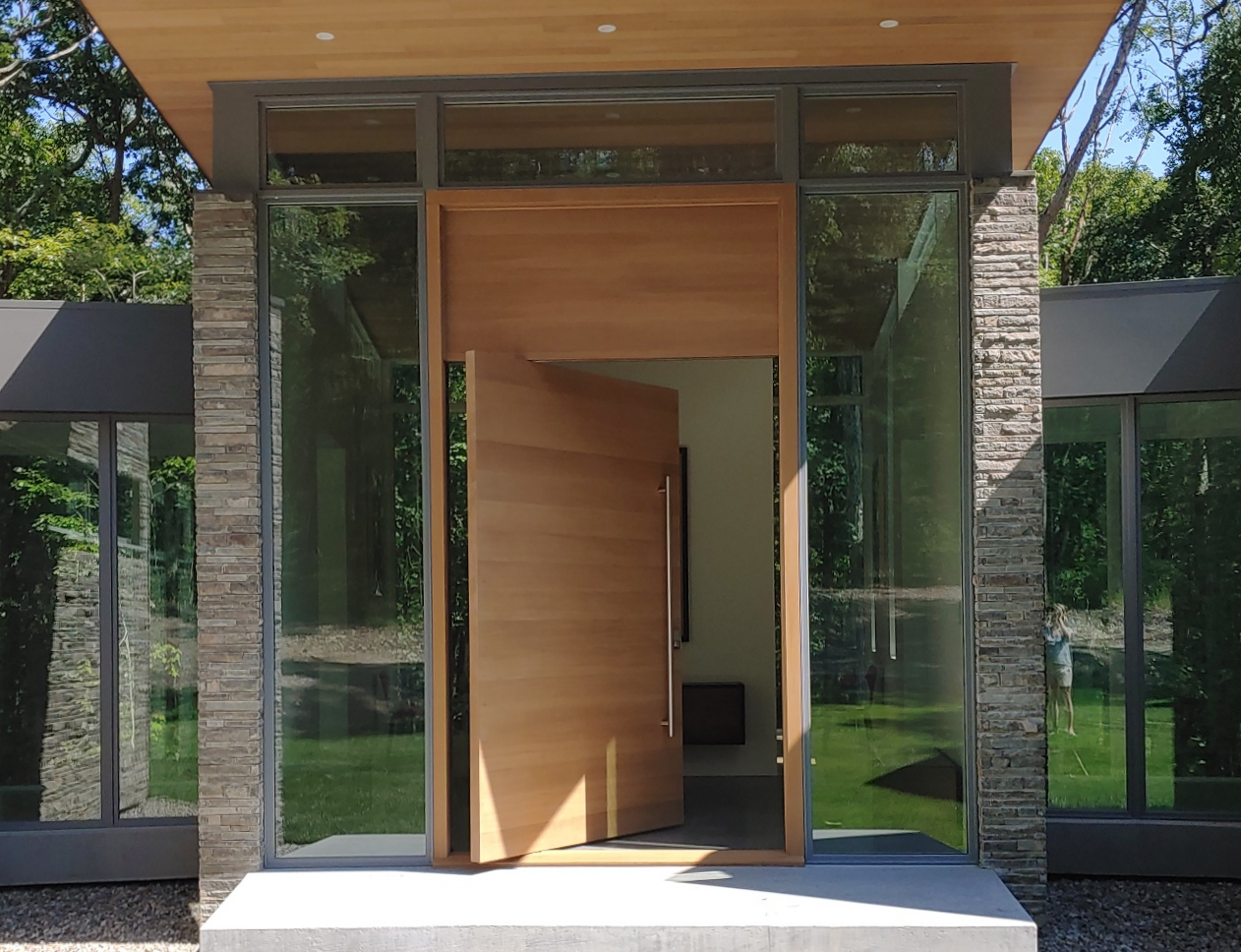
Oftentimes, the most common response is, “We will build it, or have it built, to your specifications, but this door will be placed on a separate rider, excluding it from any other warranty that may be covering the remainder of the door schedule.”
That is, unless they are working directly with Sing Core.
Many of the biggest door companies and high-end millworks are back into the specialty door business because they have partnered with Sing Core.
Sing Core offers solutions that make impossible doors possible, and not only possible, but these magnificent works of art can be guaranteed not to fail, as they are covered by Sing’s
These enormous or one-of-a-kind unique doors are nothing short of amazing, with unparalleled service records and longevity, and they are guaranteed not to warp, bend, twist, cup or otherwise fail (including full structure and lamination warranty) for 50-years. No other door in the world comes with such an impressive guarantee unless it has Sing Core inside.

Large doors are not the only unique and challenging doors to come to the attention of the True Flat Team. Many other types of architectural doors will present a huge list of problems that will send door engineers, designers, and custom door makers running for cover, yet they are no problem for the Sing Core factory teaming up with the sophisticated door manufacturer or millwork to accomplish. Like these:
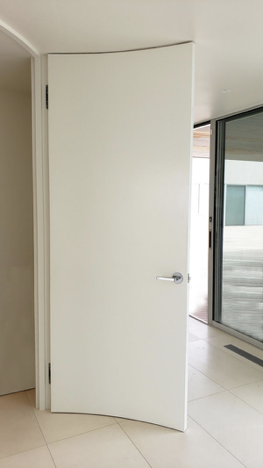
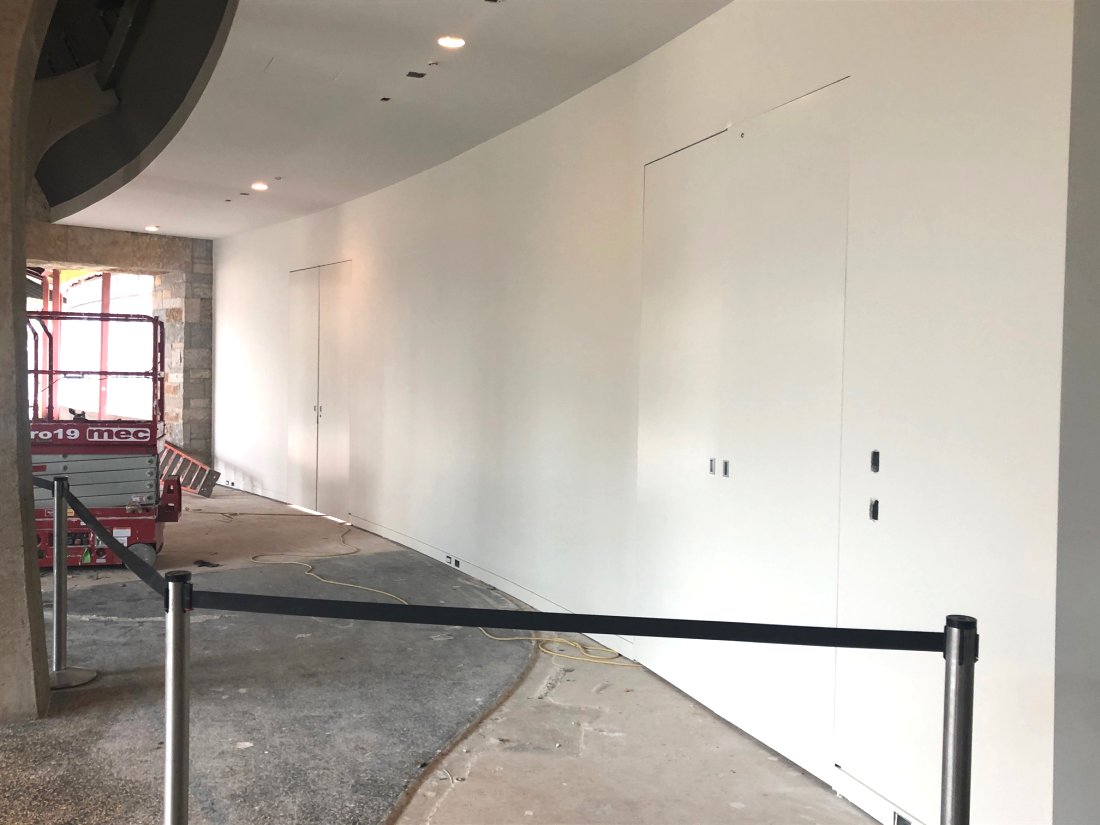
Curved doors are unique specialty doors, that require precise curvatures, especially if they are being newly installed in a pre-existing wall or structure that is curved. Matching the curvature of the door to the existing wall can be extremely difficult, but the True Flat Team at Sing Core make the perfect curved door to match any curved wall or structure, while still guaranteeing the door for 50 years to perform without warp.
 |
 |
 |
The Sing-style of stile and rail door is a departure from traditional stile and rail door technology. The clients who prefer the Sing-style stile and rail door are looking for characteristics that are unavailable via traditional door building methods but still retain the look and feel of a traditional stile and rail door. Specifically, they are looking for a stile and rail door that is impact resistant, insulated for both sound deadening and climate control, and of course guaranteed for 50 years. Sing Core accomplishes this by building the stile and rail face on top of a patented warp-free core.
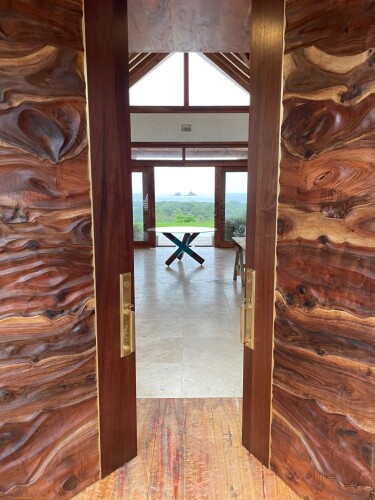
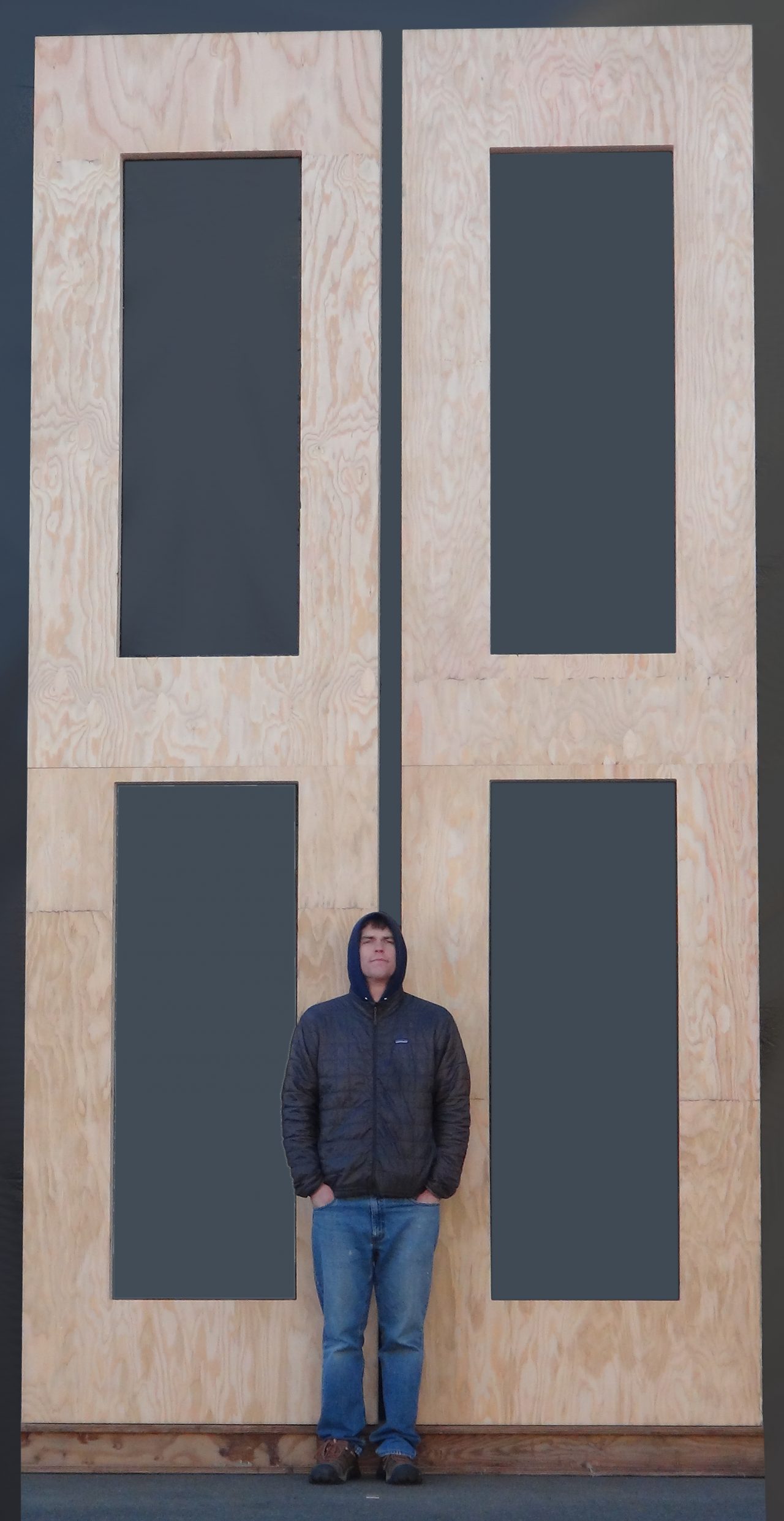
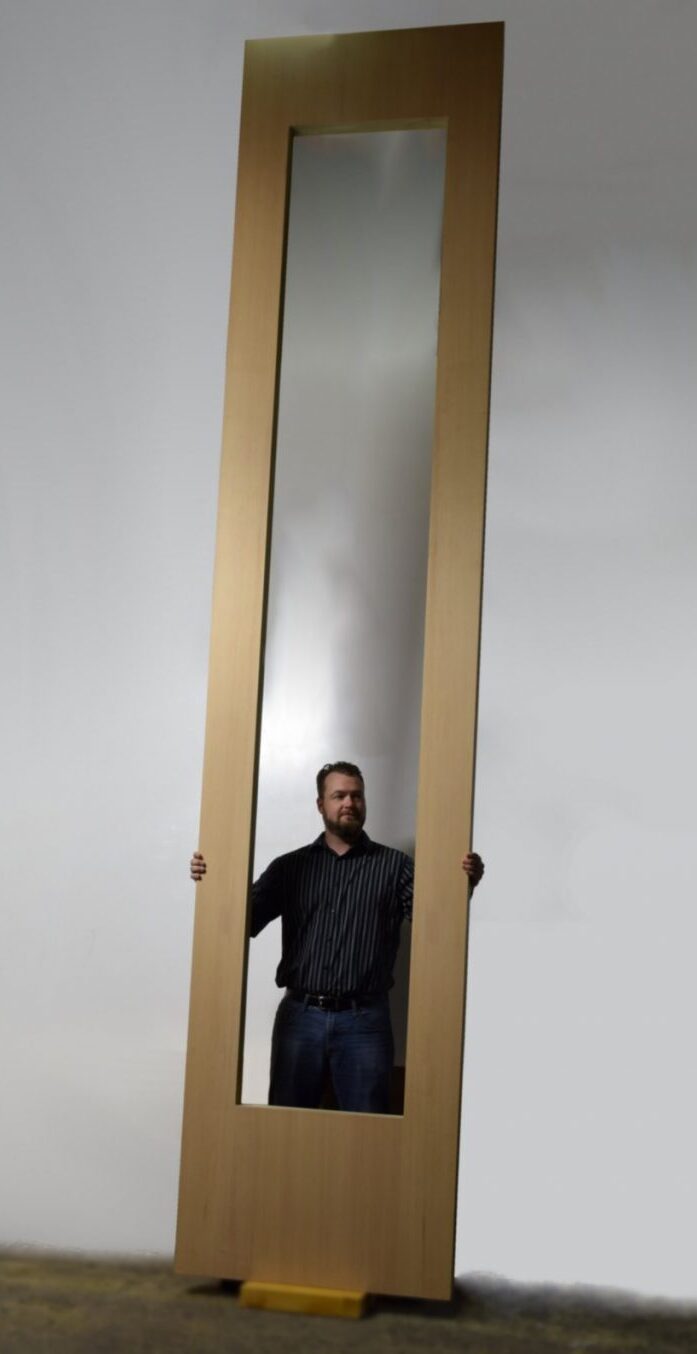
Sometimes the architectural door specifications are unusual, like this wood-framed traditional stile and rail door with a large glass lite opening. This is a 14 foot tall door that calls for only a three-inch wood stile and rail surround to hold the glass. This is unusual and would be hard to accomplish with standard door building methods, and it was even a challenge for the True Flat Team, which led to their creating a new type of stiffener, which is now patent-pending technology. Now, standard stile and rail doors made with Sing Core stiles and rails can be guaranteed to remain warp-free for 50 years using new patent pending Sing Core stile and rails.
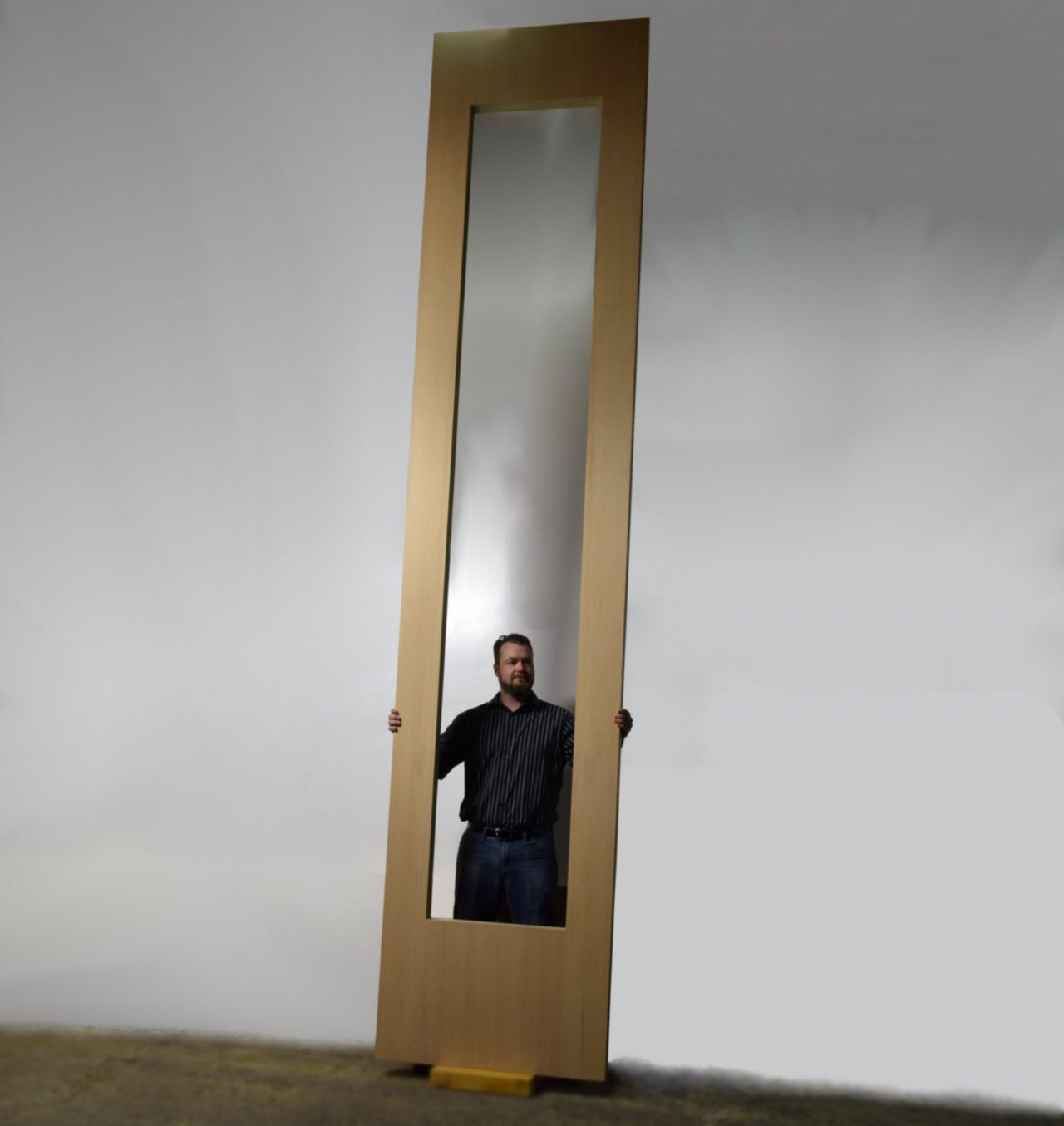
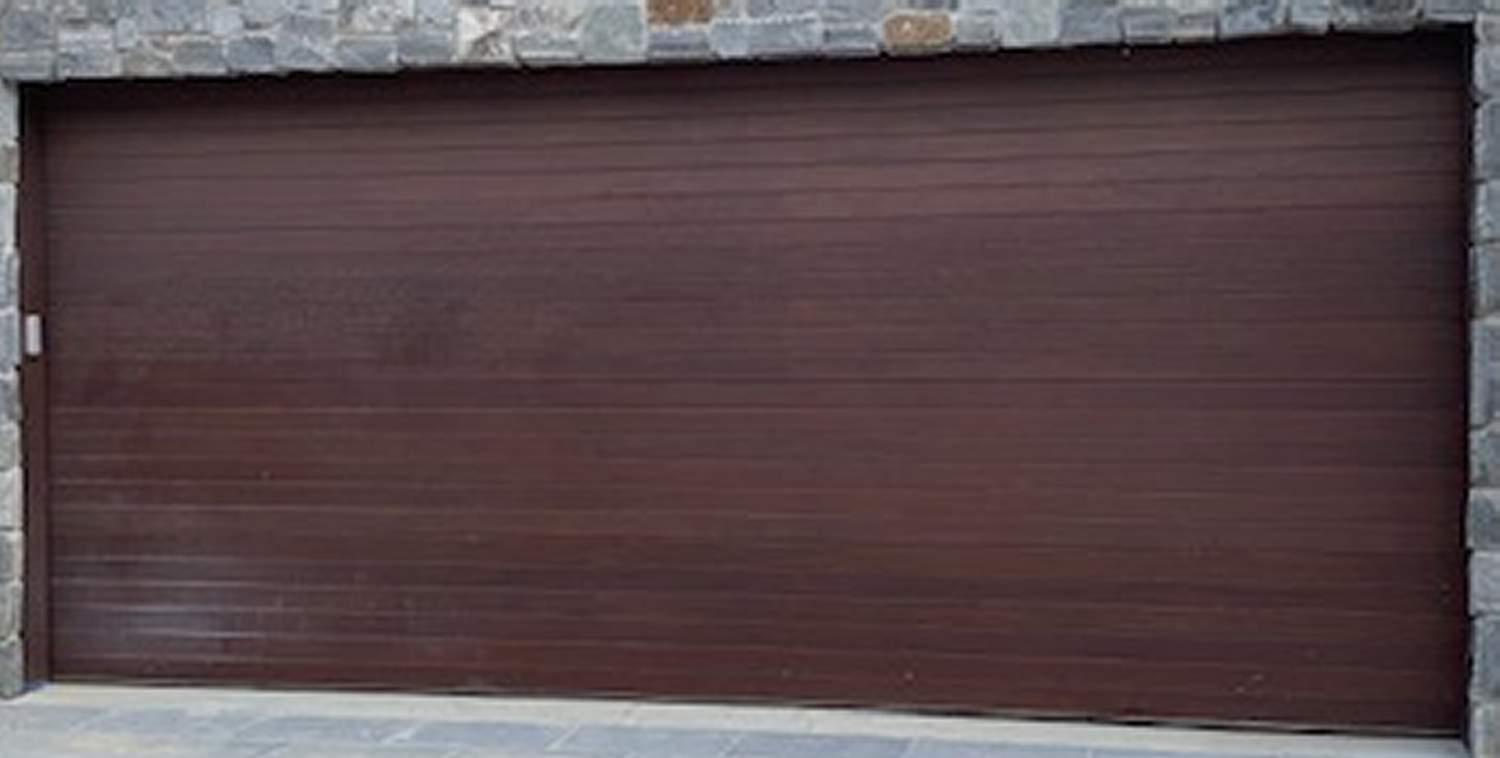
This is just one example to the many kinds of garage doors that Sing Core has helped to make possible. In this case, the architect insisted on 20-ft spanning warp-free wood stave planks, that any other way would have been impossible. 50 years from now, will be just as straight and true as freshly installed thanks to Sing Core and their long-span wood stave planks.
 |
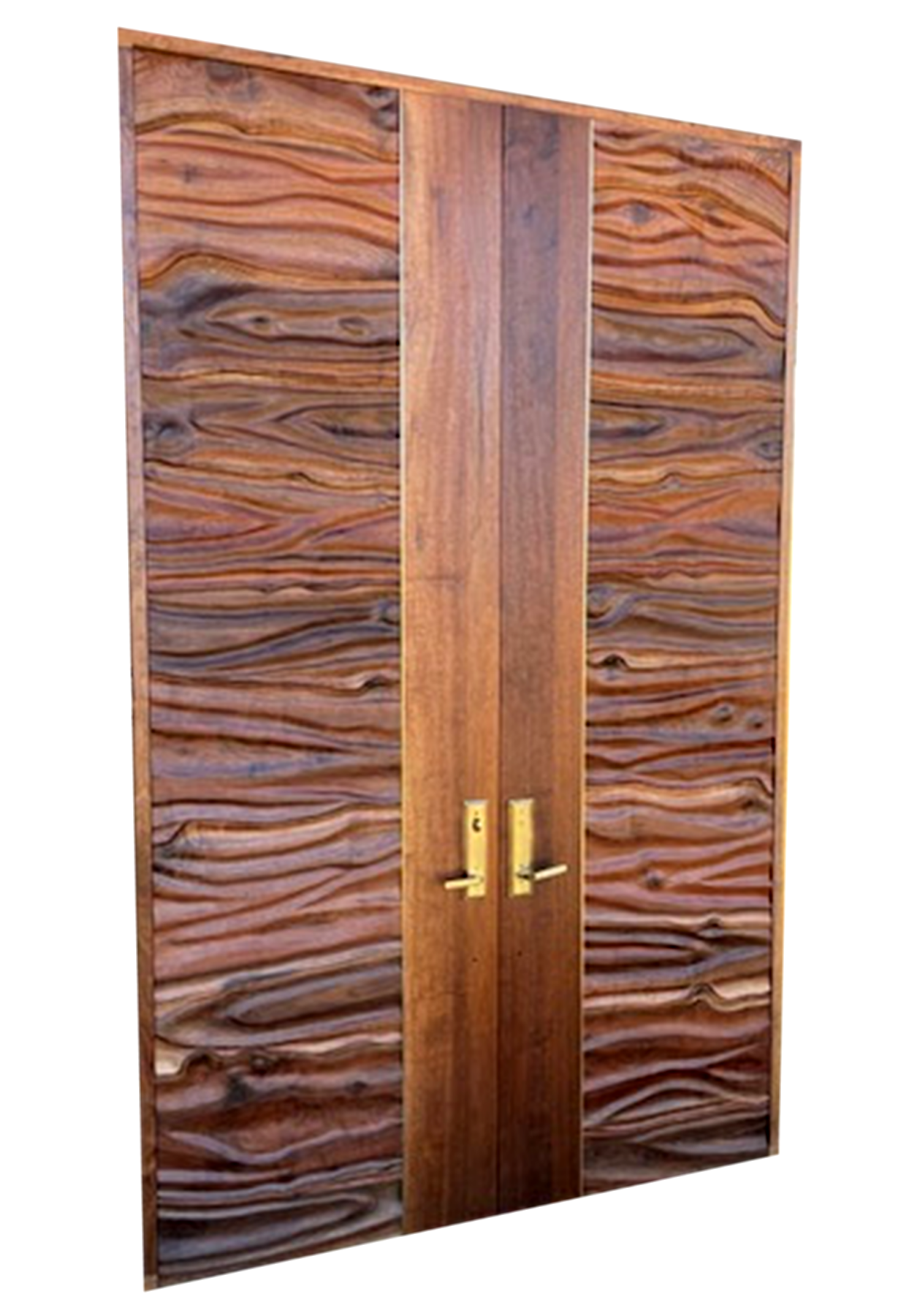
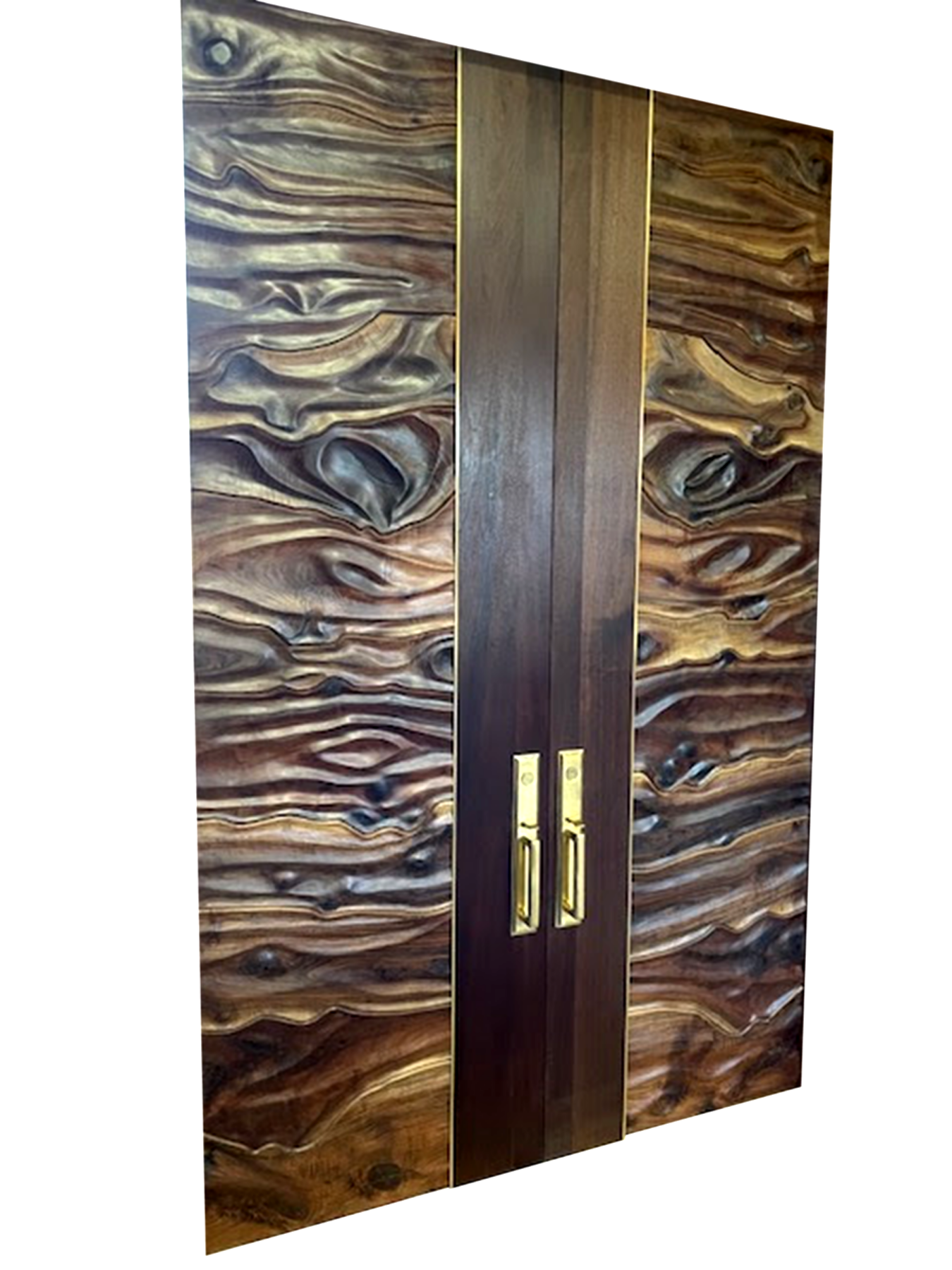
These beautifully CNC carved doors would be impossible to keep straight as they are accentuating the wood’s natural grain which is already trouble brewing, if not for the warp-free Sing Core working hard behind the scenes, deep inside to keep these doors perfectly and truly flat even though they are 107-inches tall using Sing CNC door carving blanks.
 |
 |
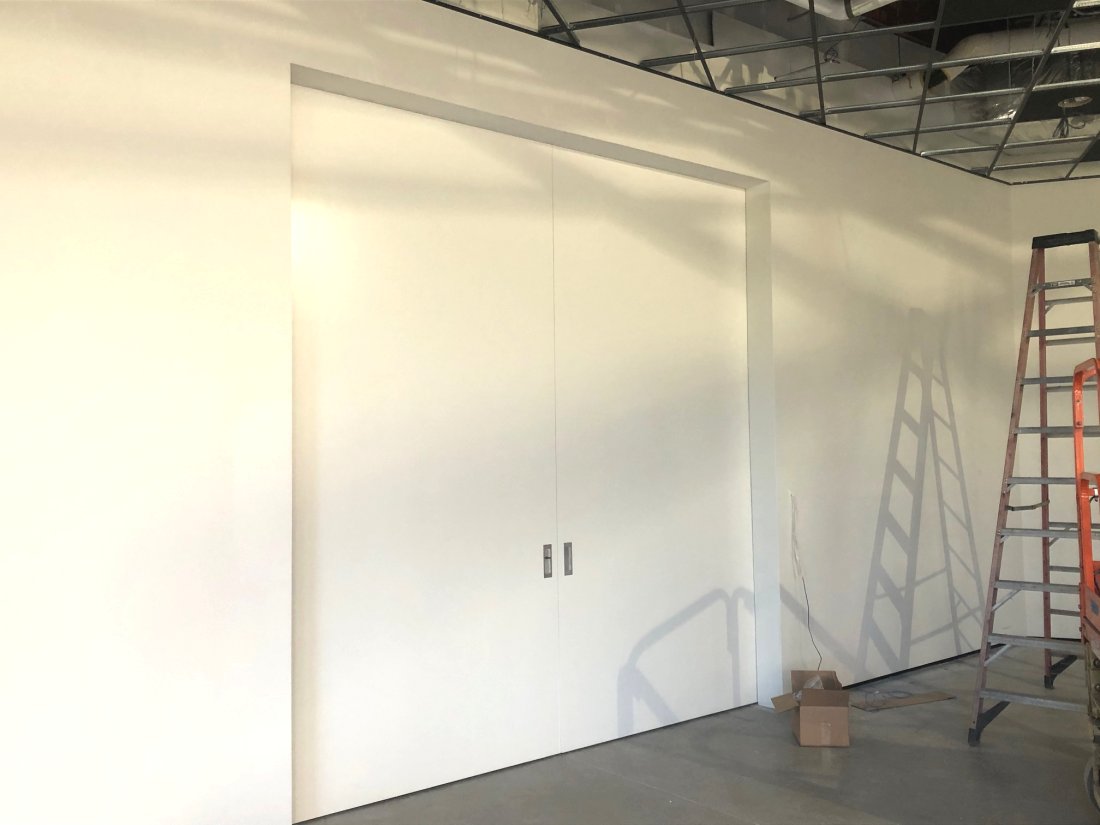
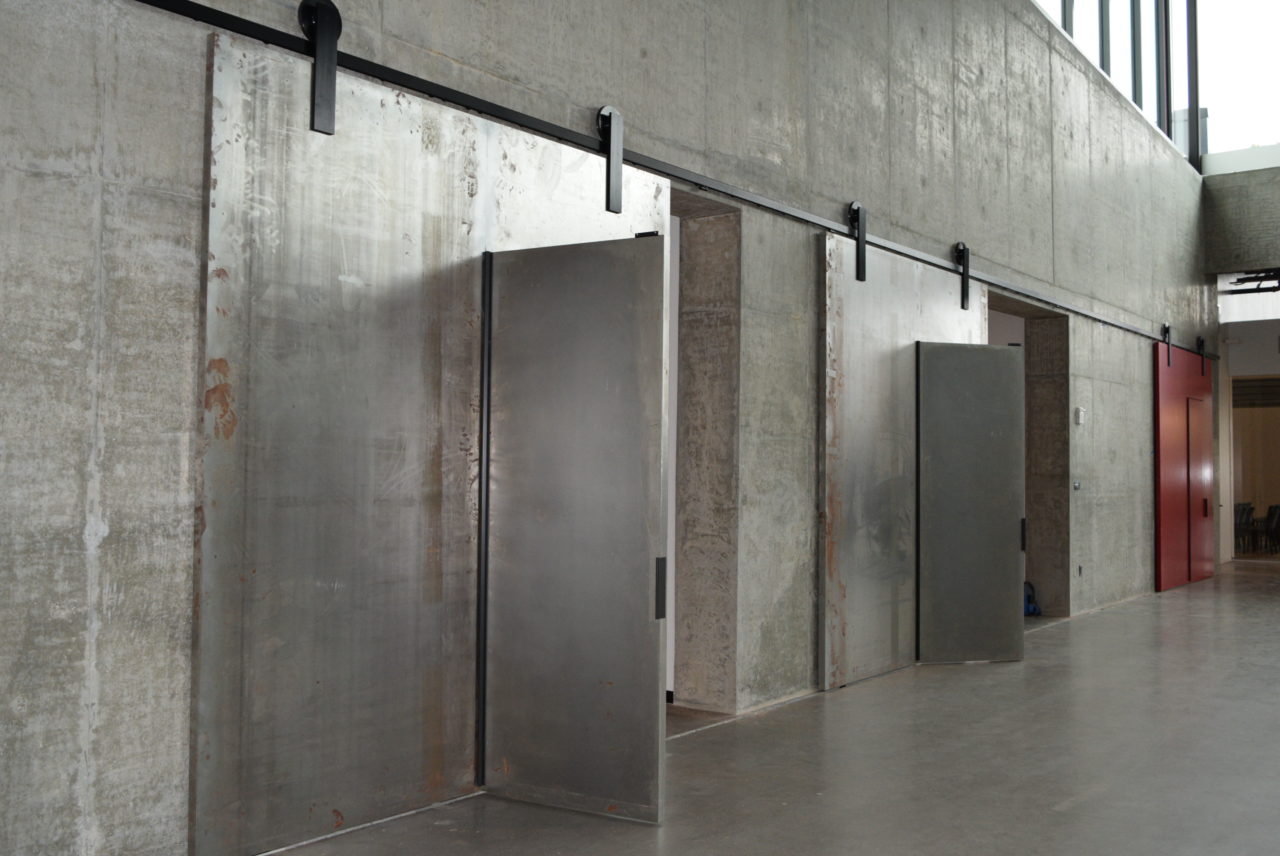
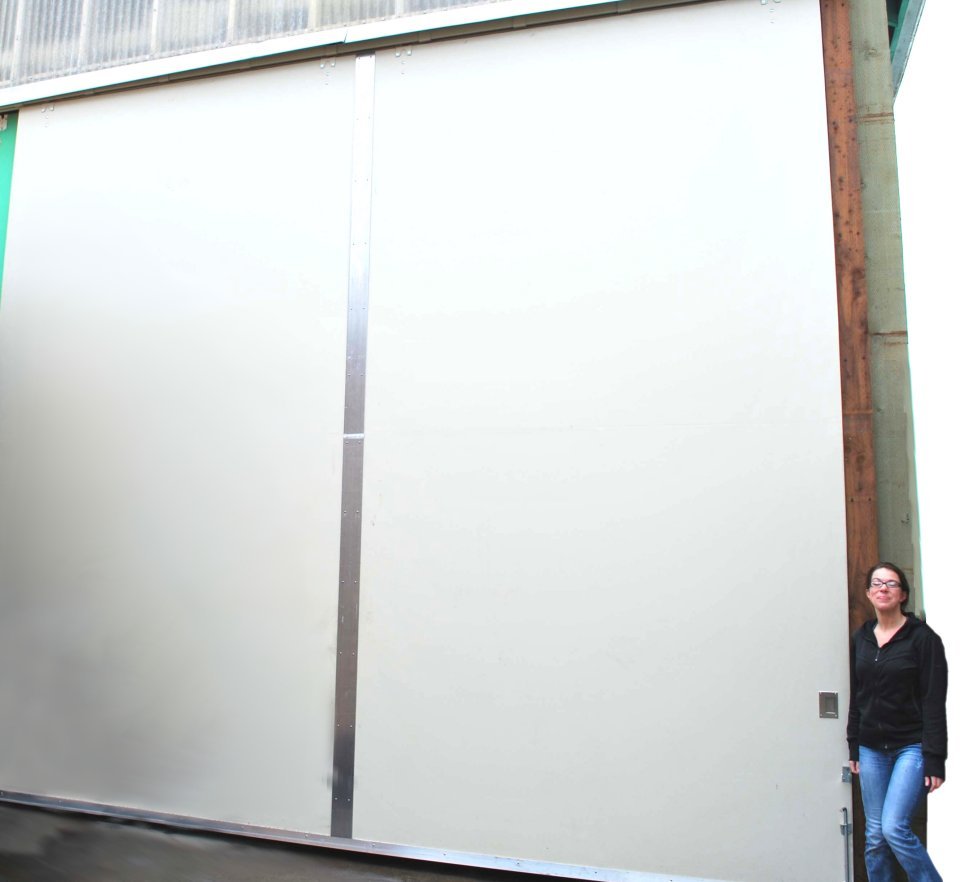
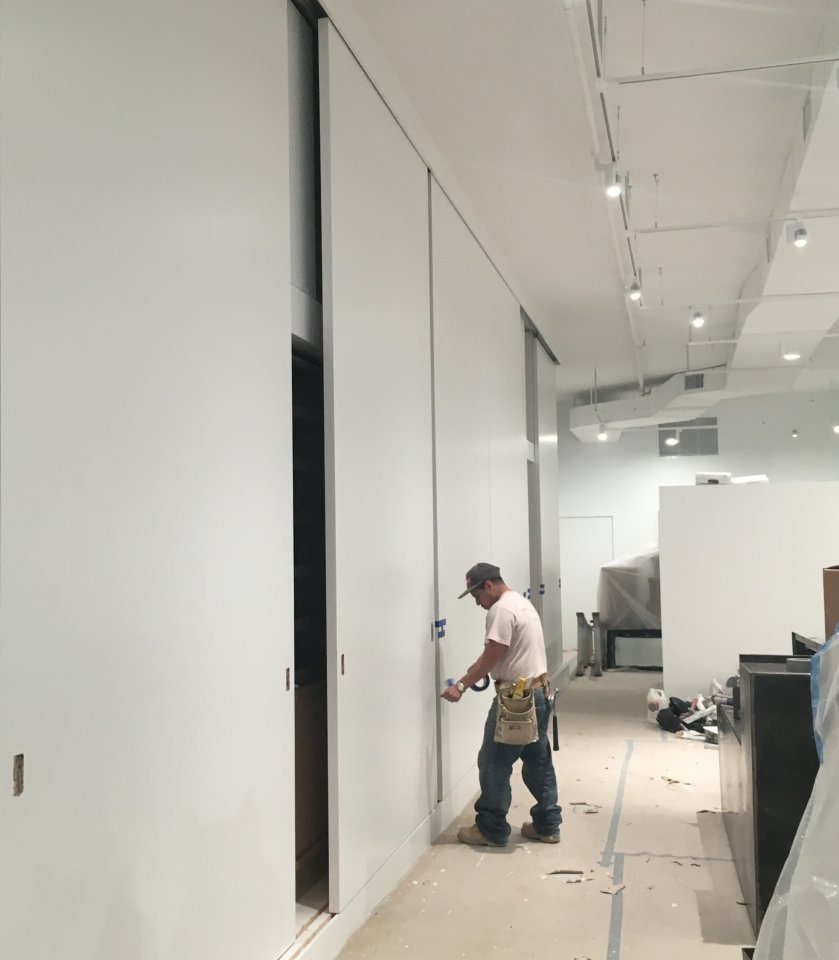
When it comes to large sliding doors with man doors, there is really only one way to do it with a high degree of precision. The large sliders with man doors must remain decidedly straight and true in order for the man door to operate seamlessly, plus, because there is Sing Core inside, you get the added benefit(s) of getting lightweight, high strength, fully insulated for sound and climate control, and our 50-year warp-free guarantee.
 |
 |
 |
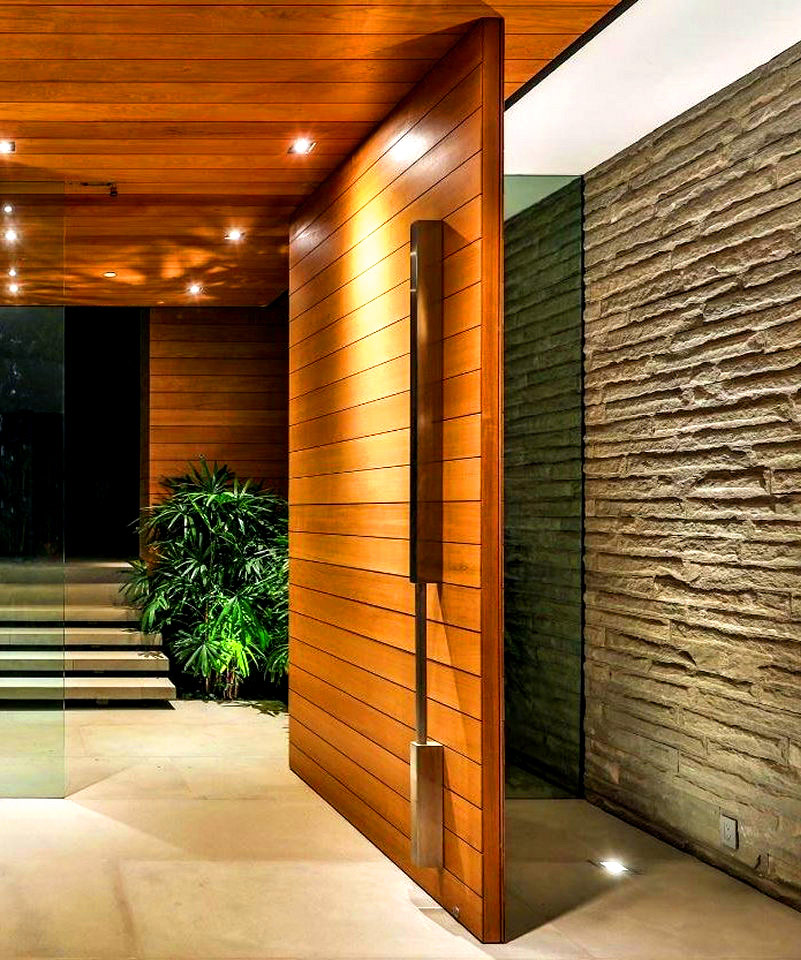
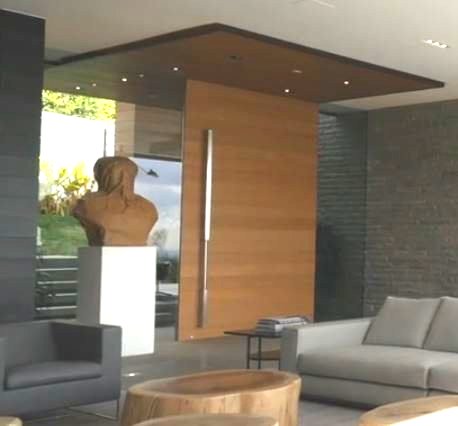
These massive natural teak doors have Sing Core inside to keep them from warping and also to provide added protection from outside interferences to privacy and the elements. Not everyone can have their whole homes fitted with Sing’s doors, but what a great feeling it is having done so with Sing’s billionaire home doors.
|
 |
 |
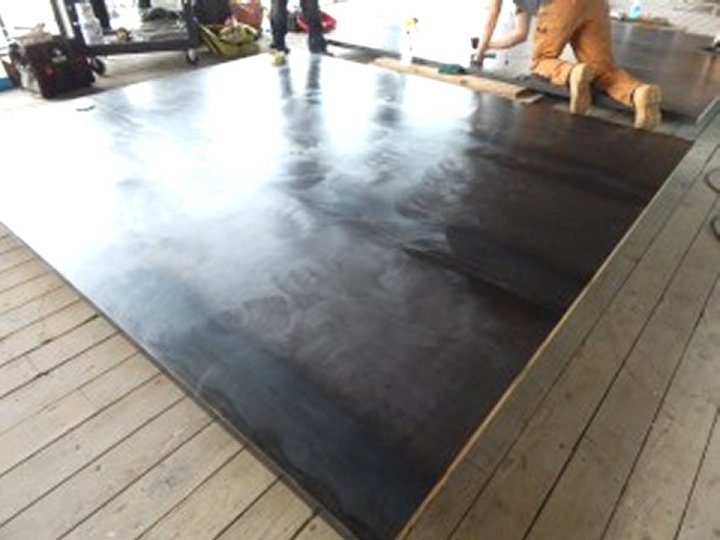
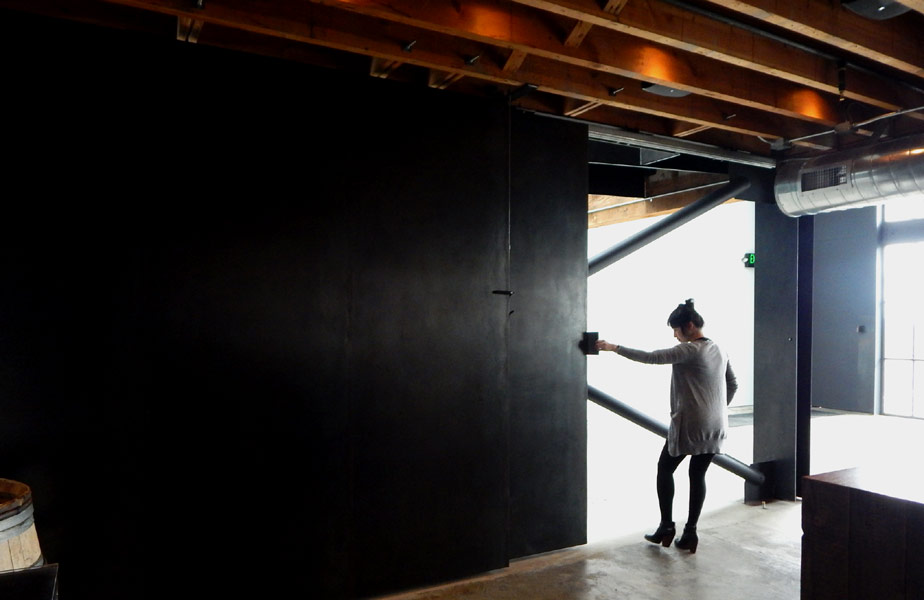
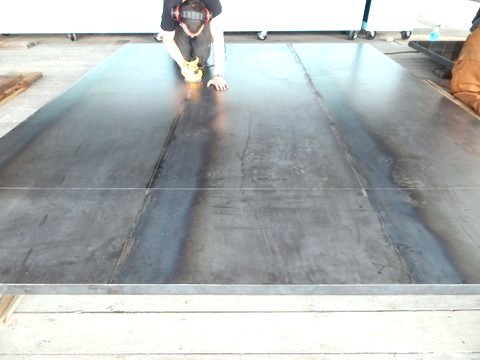
Hot rolled steel doors can be a challenge, especially if they are very large. Normally, large hot rolled steel means a lot of weight needs to be articulated adding stress and strain to the frame, hardware, and structure if used very often. Patented and patent-pending Sing Core reduces the weight greatly while enhancing the door’s characteristics enabling one to install a man door or open and close a mammoth-sized hot rolled steel door easily.
 |
 |
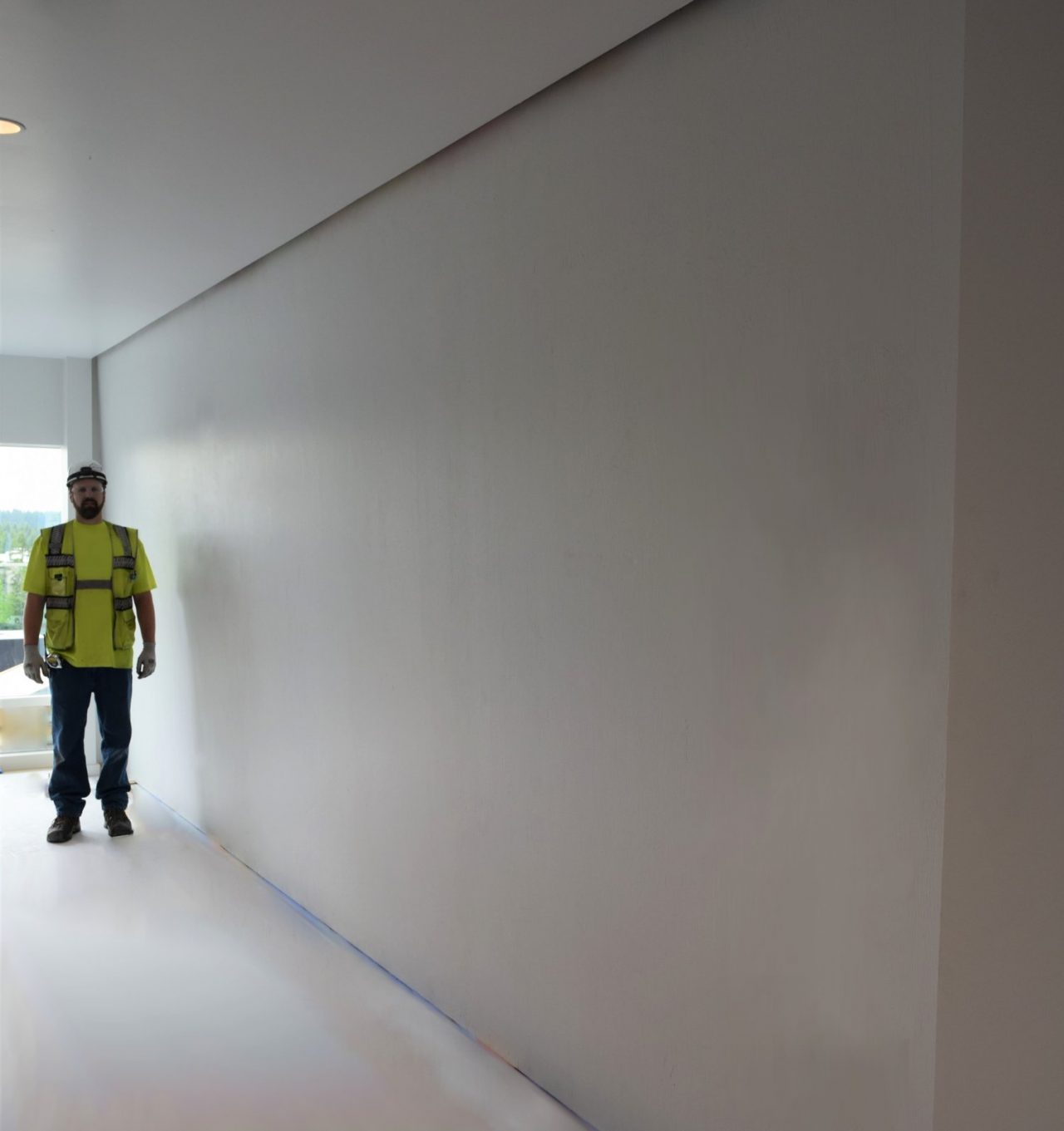
Thanks to the patented and patent-pending technologies in the hands of the True Flat Team at Sing Core bigger does not necessarily have to mean heavier or big troubles are ahead. With Sing Core inside your big doors can be lightweight, high strength, fully insulated, and guaranteed warp-free for 50 years.
 |
 |
 |
If you would like to know more about how to design a door with Sing Core inside, click here.
When an artist and craftsman comes to you and asks “what materials would be best to use in the making of the most impressive hand-tooled woodworking tiny house project?” The answer could very well be “Sing Core.”
~Walter Dill
What would a $5,000,000 Sing Core tiny house look like? Something like this:
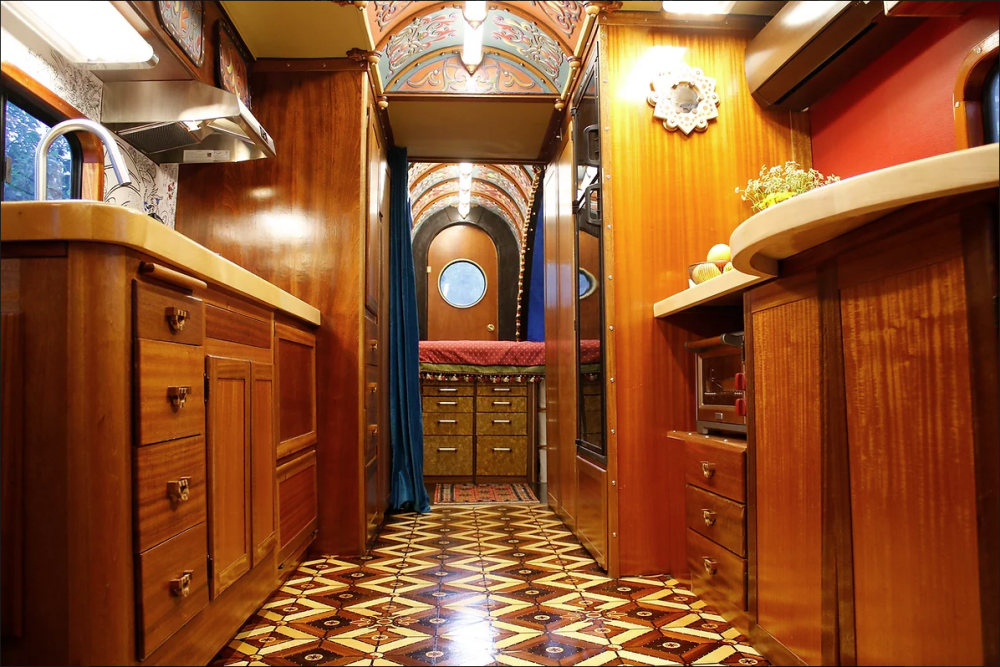
This view to the rear of this 5 million dollar tiny house on wheels exposes high quality woodworking in exquisite cabinetry throughout.
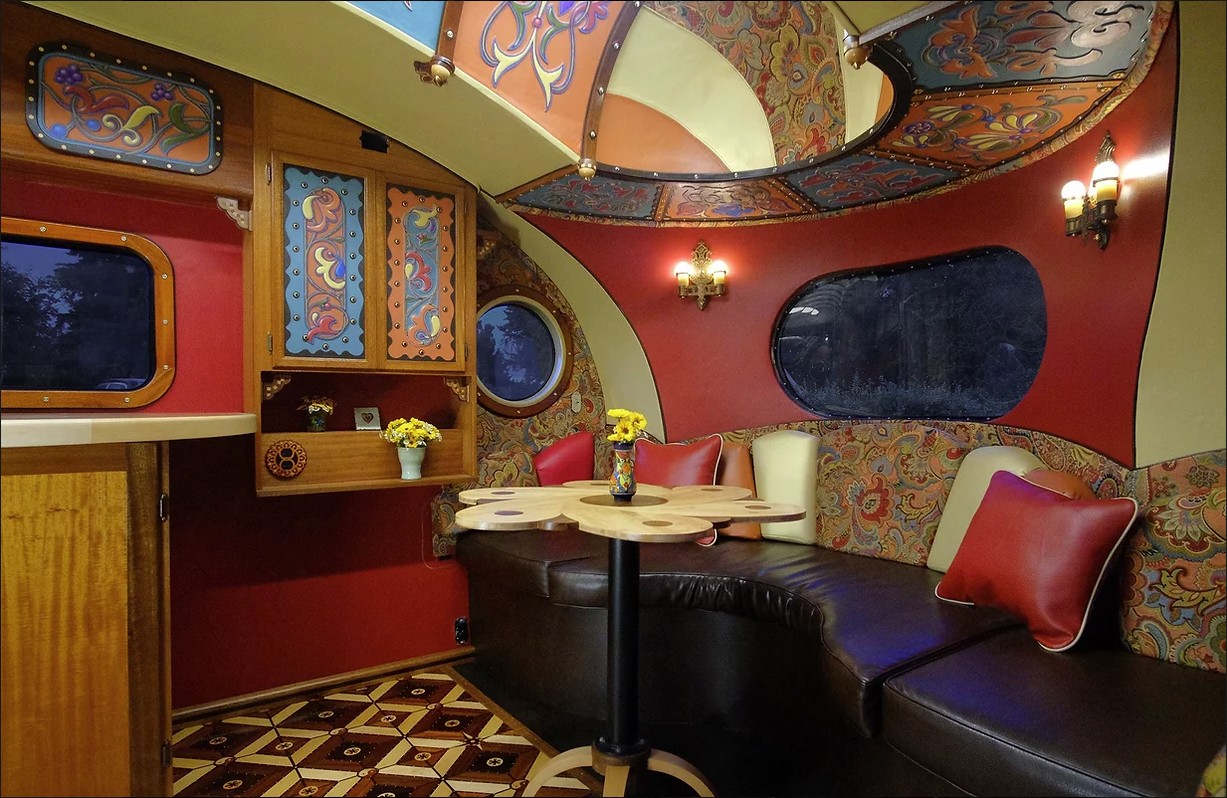
What a relaxing interior view of this elegant art deco labor of love. Magnificence exemplified and made possible by Sing Core throughout.
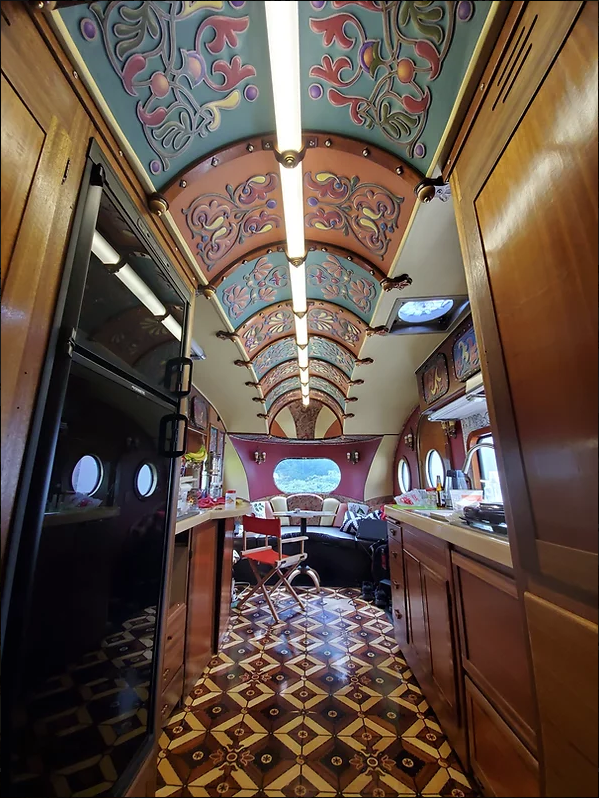
The long interior front facing view of this one of a kind artistic treasure offers a generous view of Monica Uhl the artisan’s 10,000 piece parquet floor an the bottom and Sing Core curved top artistically and ornately decorated.
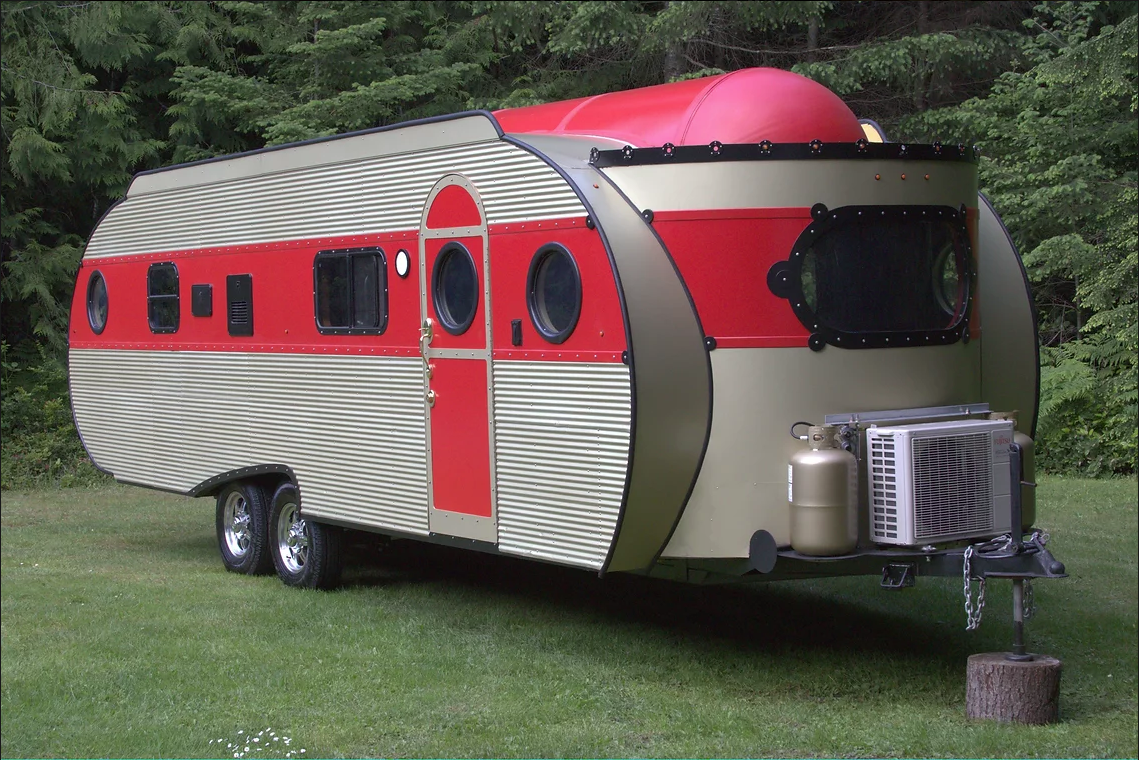
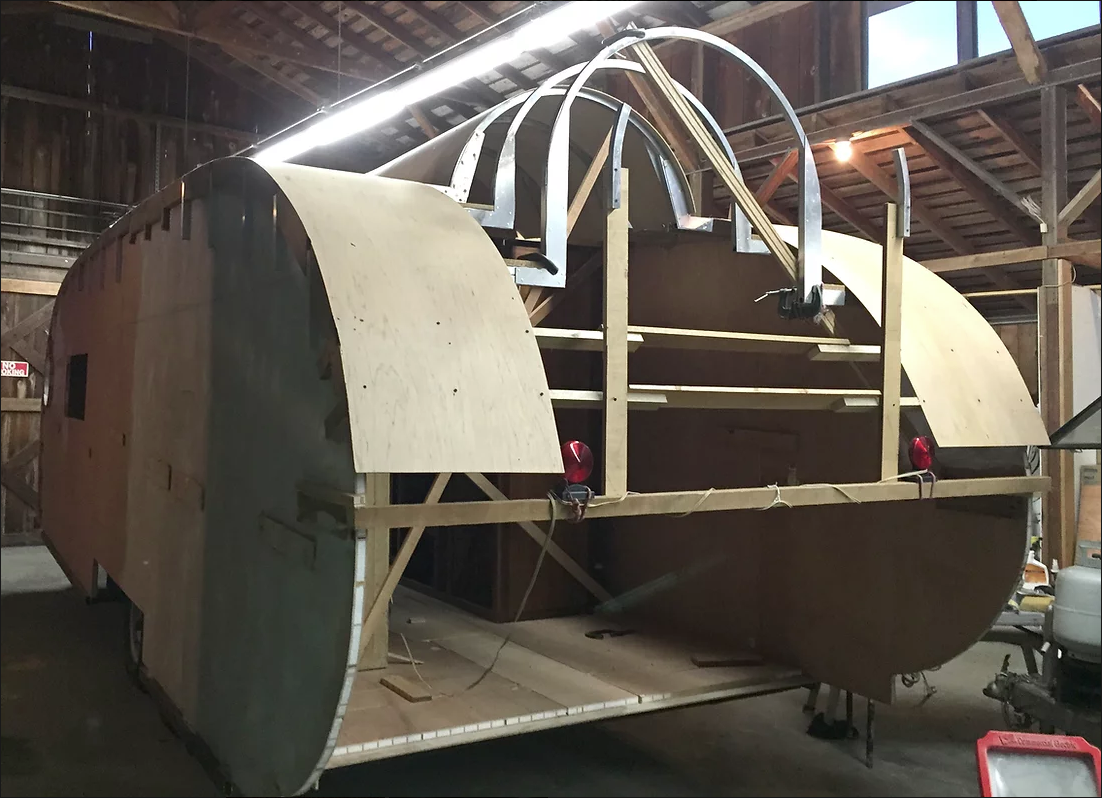
Exterior view of the 5 million dollar Sing Core tiny house based on original 1956 Airfloat chassis.
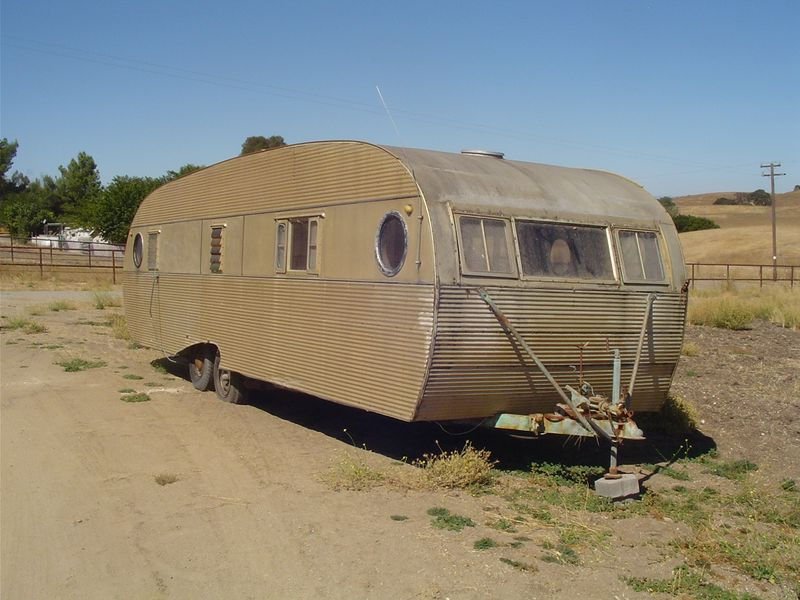
It’s hard to imagine that such a work of art could have emerged from the humble beginnings of this original 1956 Airfloat Land Yacht chassis.
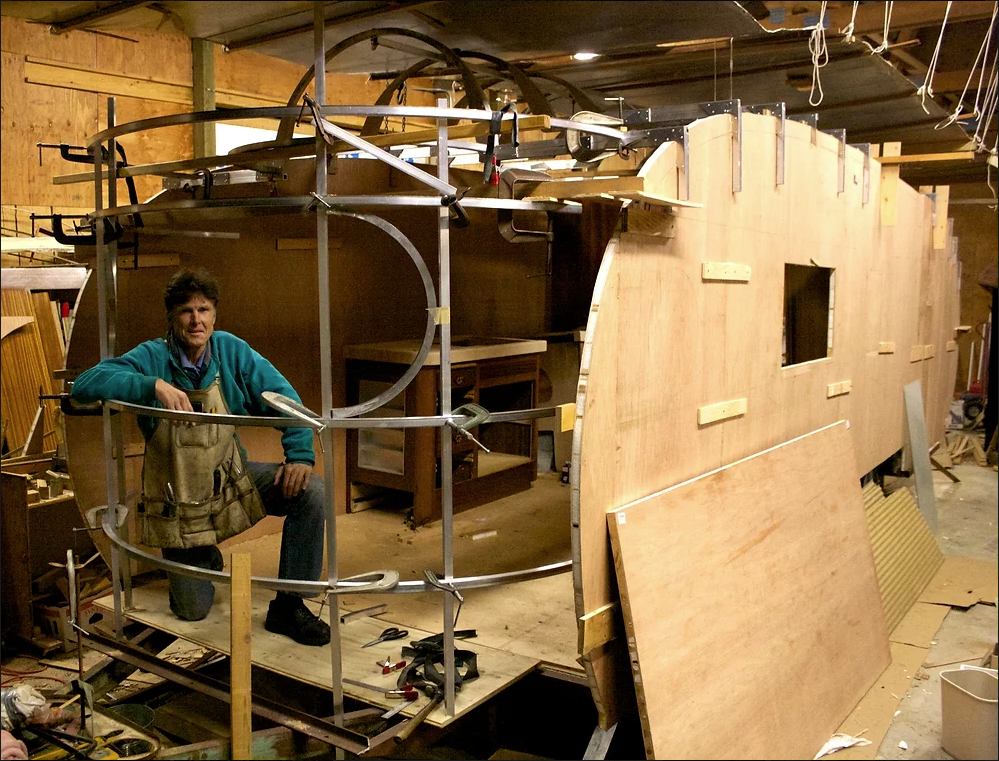
Artisans and craftspeople painstakingly rebuilt the entire structure of the 5 million dollar tiny house with sing core panels.
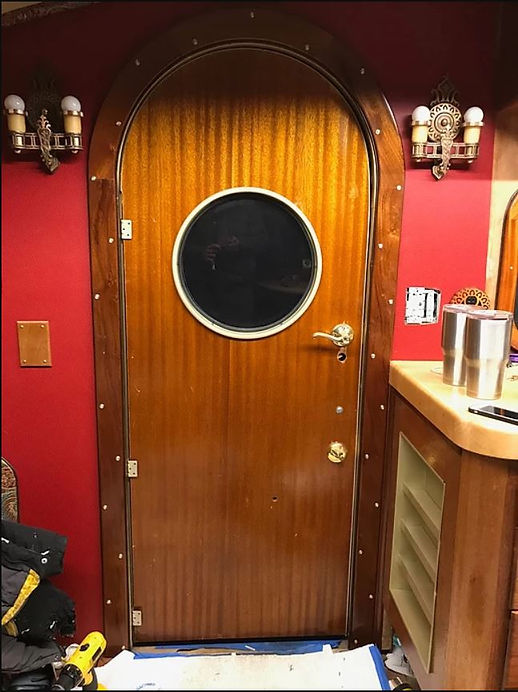
Let this Sing Core door be opening up new ideas and creations for tiny houses and beyond to stretch your imagination and create something new that has never been possible before, thanks to Sing Core.
Thanks to Walter Dill for sharing his labor of love with the world, and not that he might be willing to make such a treasure for the right person, who may be you. Contact artisans and dance instructors, Walter and Monica, for more information.
No other company has come to the rescue with 50-year warp-free guaranteed results utilizing such an array of patented and patent-pending new problem-solving door-building technologies as Sing Core.

Rarely does a month go by where some large door project is presented to Sing Core’s True Flat Team bringing to the table a challenge which has never been seen before. Immediately, the team gets into the lab to find a solution that solves the problems associated with the project at hand.
That’s why architects, door engineers, manufacturers, and millworks refer those tough, seemingly impossible door jobs to Sing Core. Because you not only want the job done right but you want the resulting door to last a lifetime or longer.
This is where Sing and his crack team of engineers with years of experience making the impossible possible comes in handy.
Another interesting problem that comes up is curved doors, where the curvature of the door must match a curved wall where the new curved door will be installed.
You might think that due to Sing Core’s reputation for spanning large distances while remaining incredibly straight and true that you would assume this not to be a perfect material to create curved doors. Right? Wrong.
Sing Core can be modified to bend to any exact curvature, and once set in place will never misshapen or move and thereby can also be covered by Sing’s 50-year Warp-free Guarantee. It’s that picket fence of patented and patent-pending Sing Core solutions that are making these doors the talk of the town.
These, thin wood framed large French doors and custom curved doors, are just two examples of Sing Core rising to the occasion to make the impossible doors possible, and not only that, but your finished door can also be guaranteed not to warp, bend, twist, cup, or otherwise fail for 50 years. No other method of building a large, oversized door can offer such a guarantee.