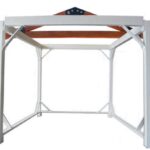
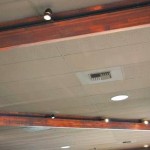
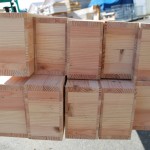
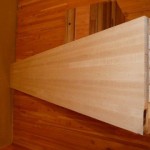
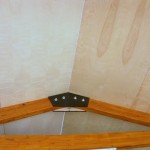
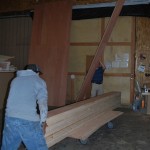
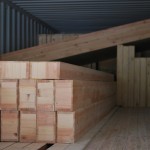
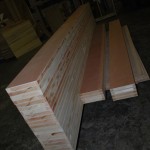
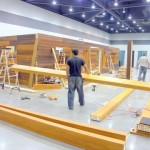
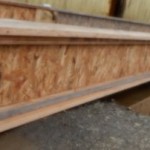
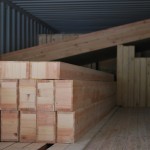
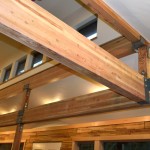
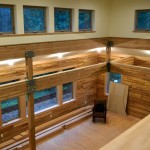
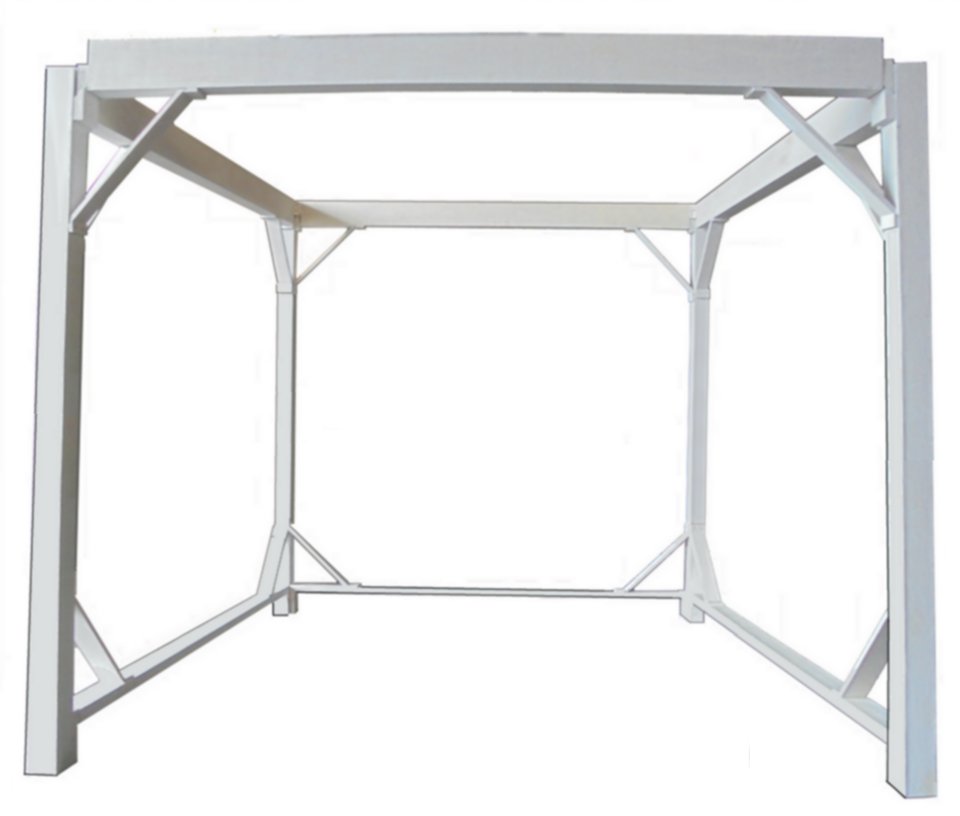
Sing Post and Beam changes how structures are built. Traditional beams are heavy. However, Sing Post and Beam is lightweight. Solid wood warps. In contrast, Sing Post and Beam stays straight.
Because of patented Sing Core technology, Sing Post and Beam delivers strength, stability, and ease of construction in one system.
How Sing Post and Beam Structures Are Built
The Sing Post and Beam system follows a simple process. As a result, construction becomes faster, safer, and more precise.
Step 1 — We Manufacture the Sing Post and Beam
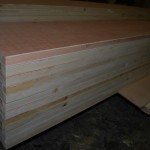
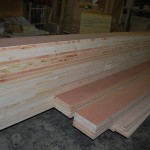
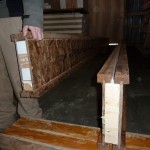
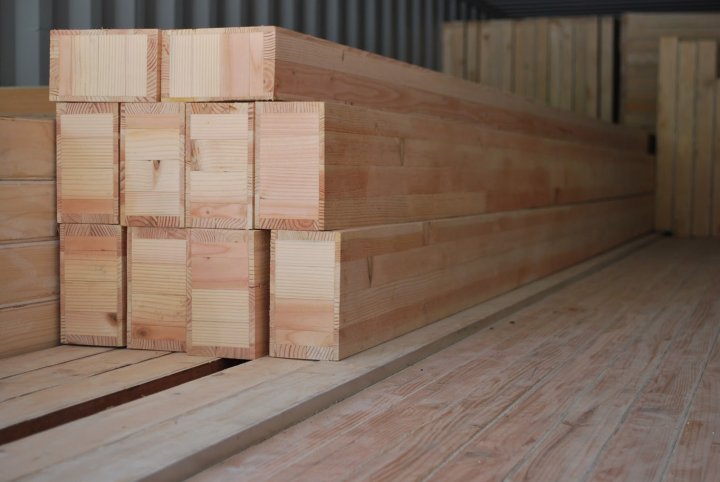
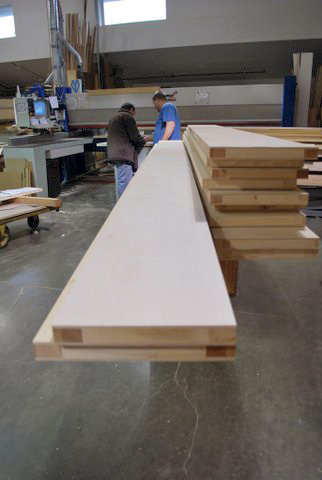
First, we build every Sing Post and Beam post using our patented core.
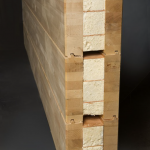
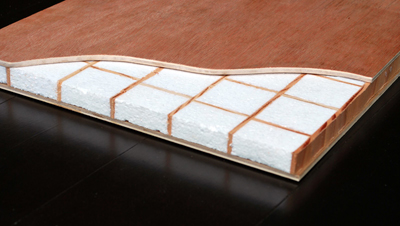
Inside each Sing Post and Beam is:
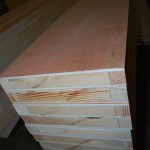
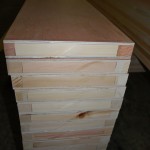
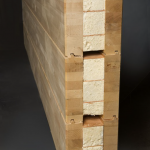
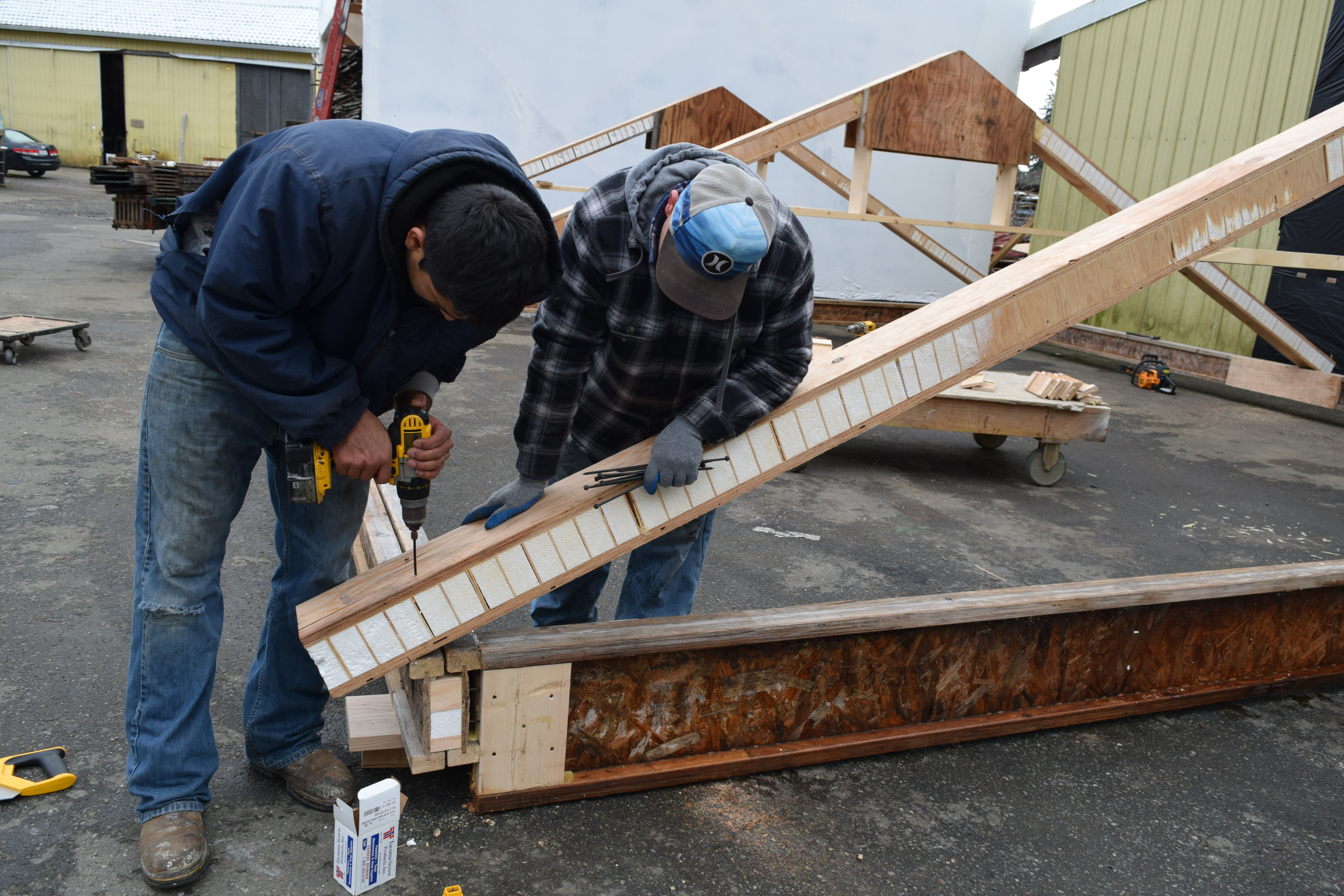
A vertical grain veneer torsion box
Structural skins
Lightweight EPS foam
Solid wood edging
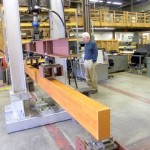
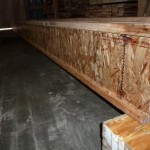
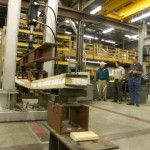
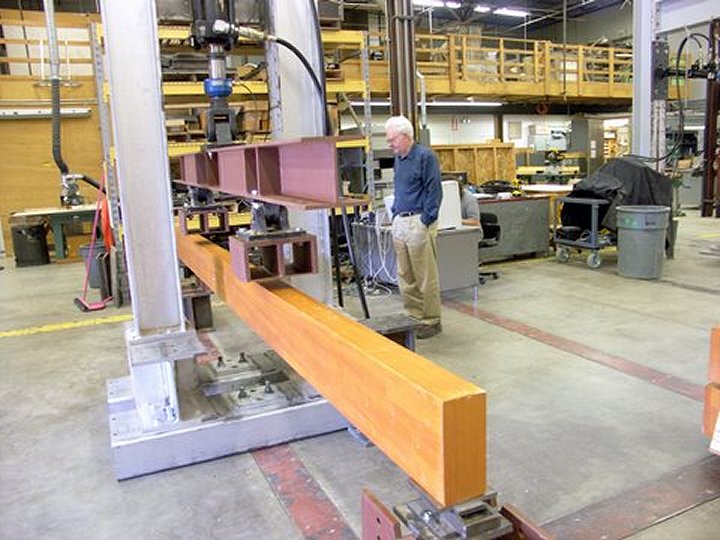
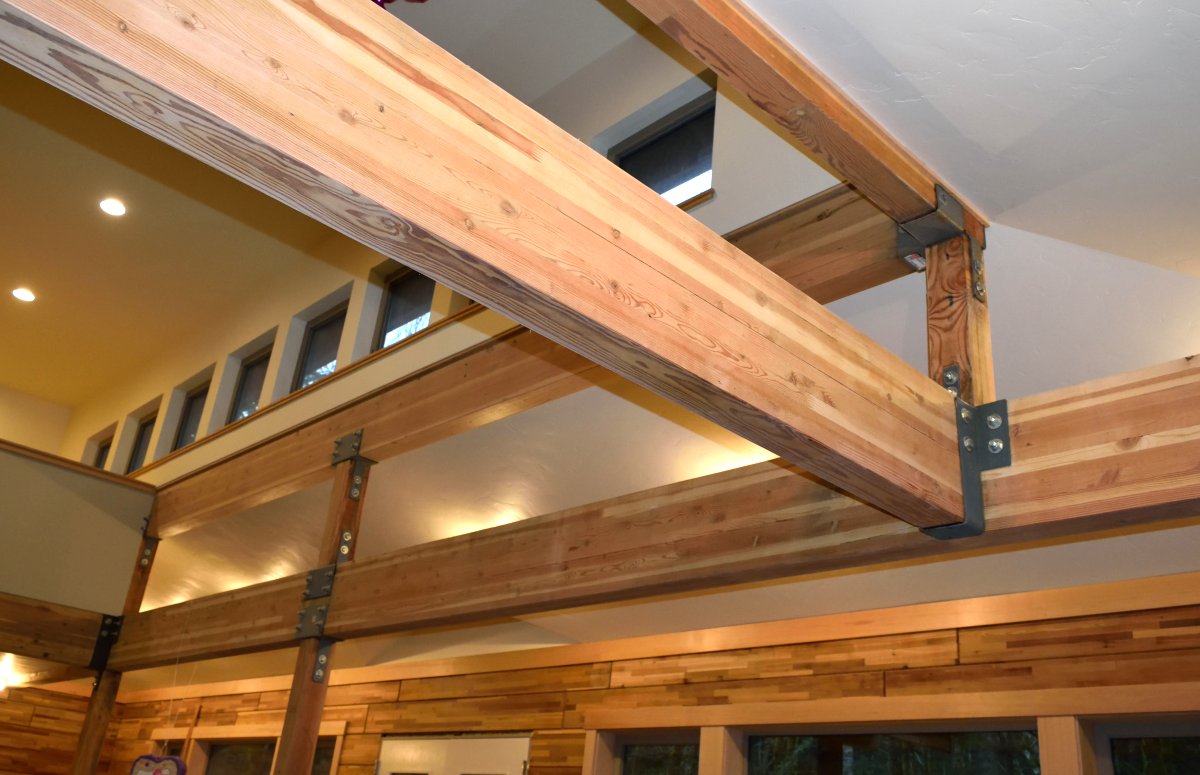
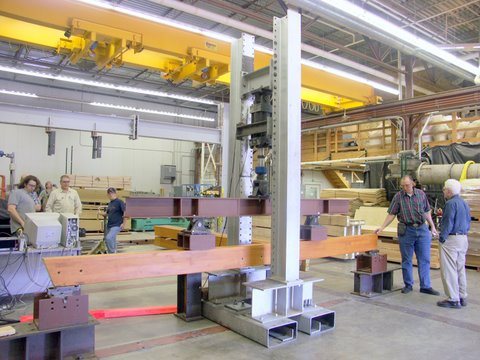
Because of this structure, Sing Post and Beam products act like endless I-beams. Therefore, weight spreads evenly. As a result, the beam resists sagging.
Traditional posts fight gravity. However, Sing Post and Beam works with engineering.
So the benefits are clear:
Straight and warp-free
Strong yet lightweight
Resistant to weather
Stable through temperature changes
Most importantly, Sing Post and Beam posts remain dimensionally stable over time.
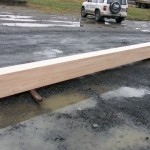
Lightweight Sing Post and Beam Structure
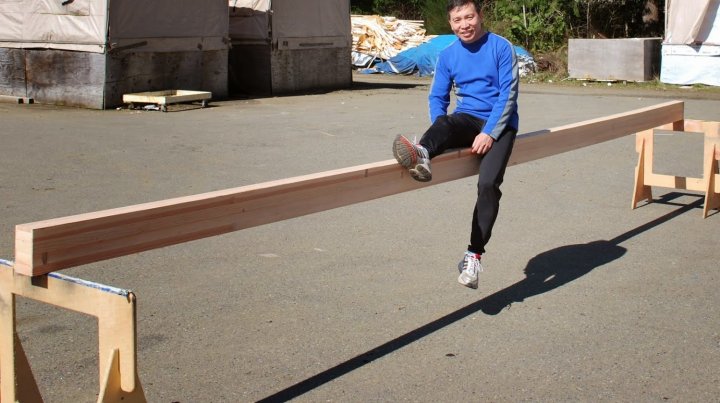
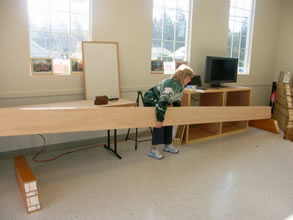
Sing Post and Beam can weigh as little as 30% of traditional materials. Therefore, handling is easier. Also, installation is faster.
Step 2 — The Roof Structure Is Built on the Ground
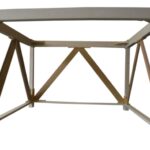
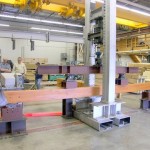
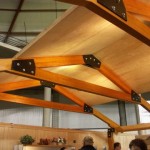
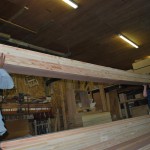
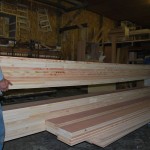
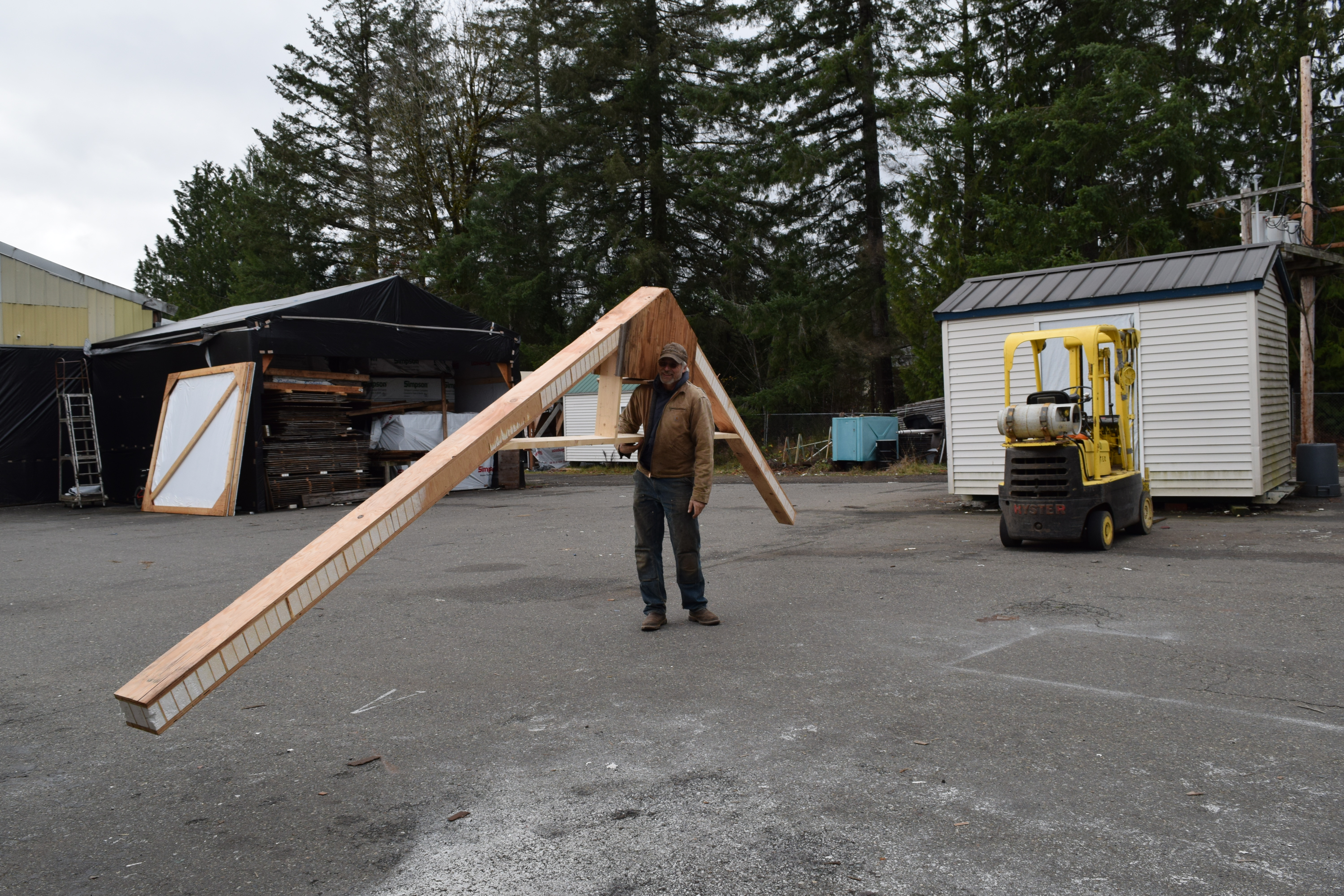
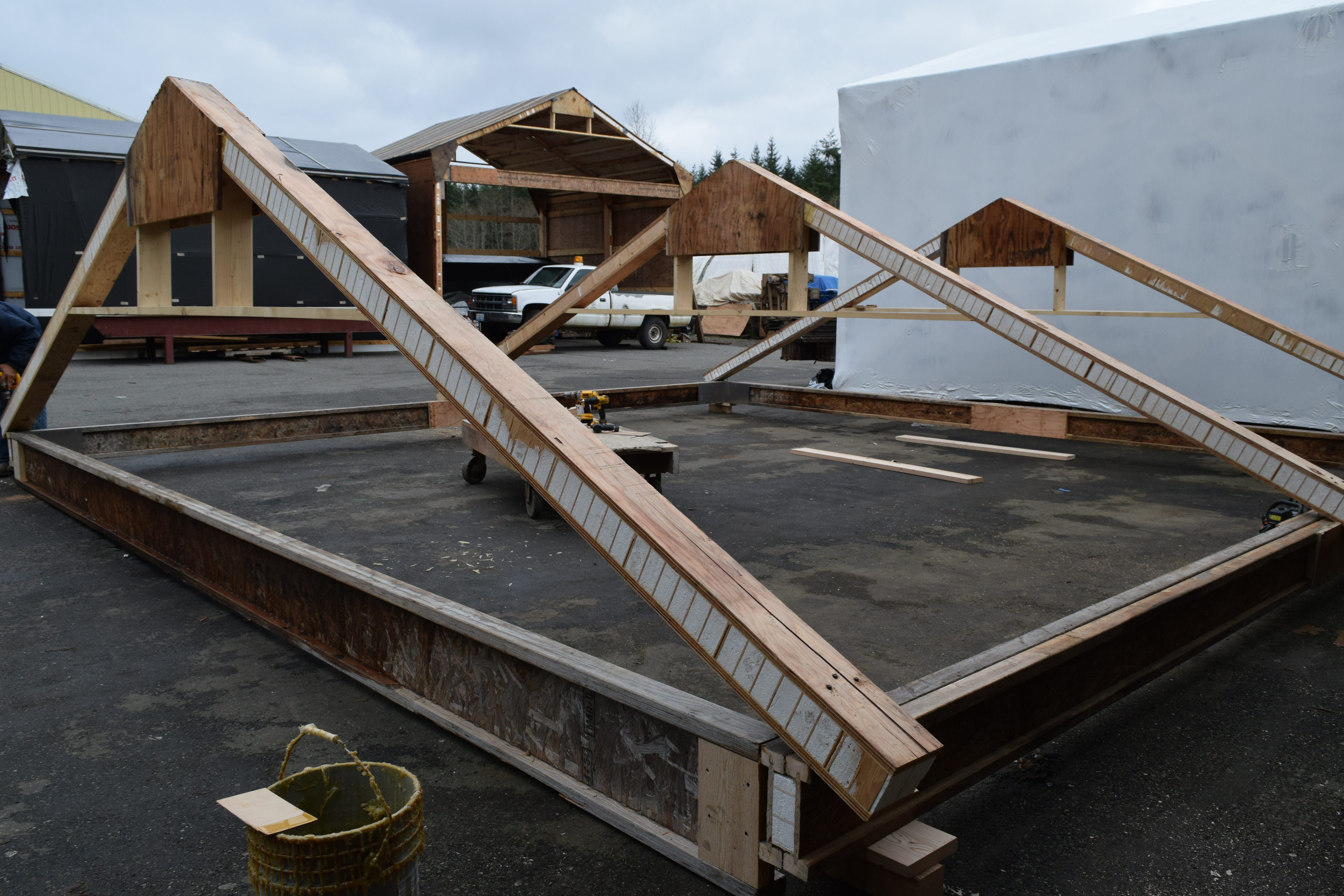
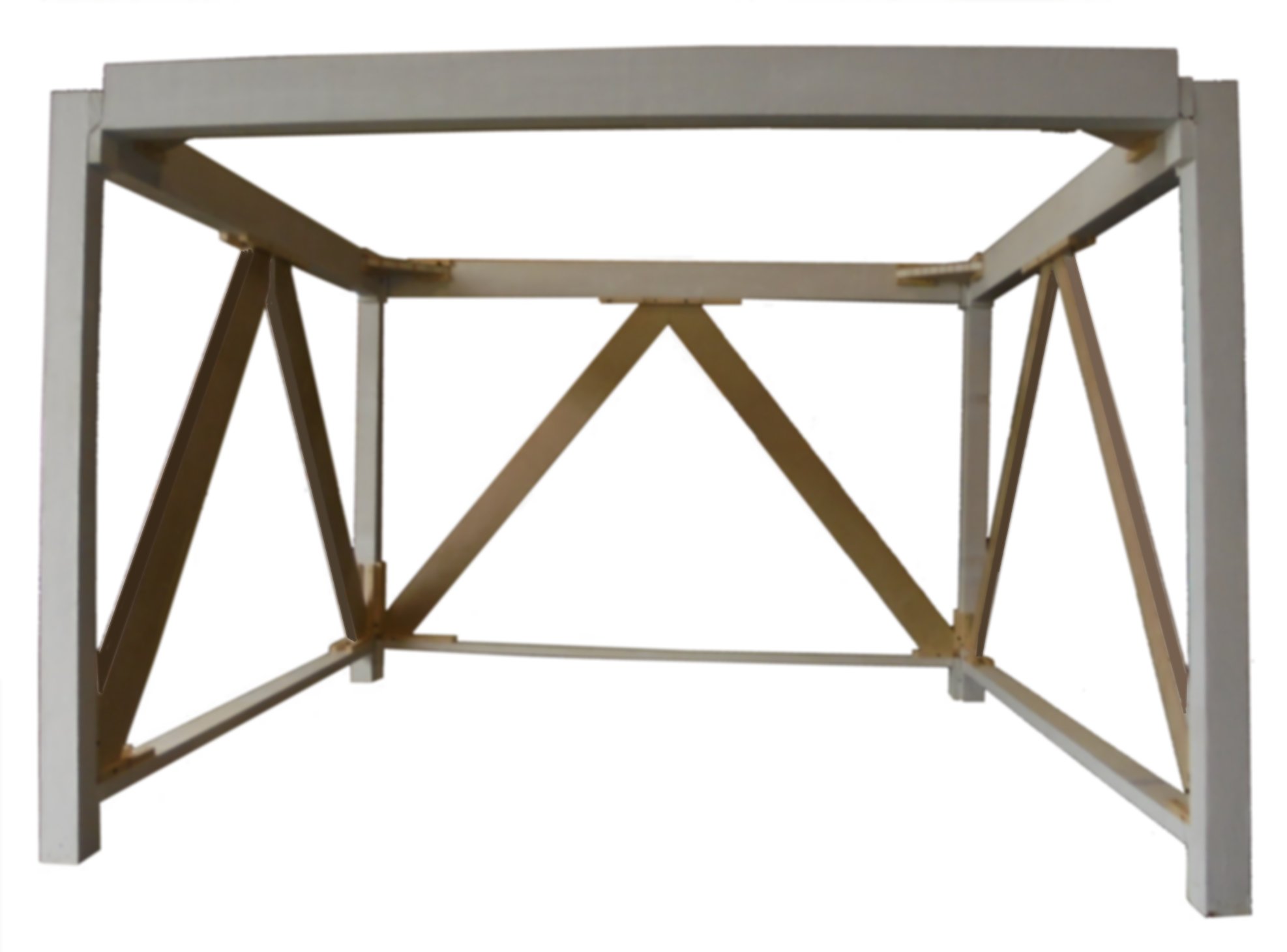
Next, we assemble the roof frame using Sing Post and Beam beams.
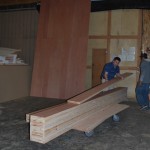
Because the beams are lightweight, workers can handle them easily. Also, because they are torsion box engineered, they stay flat. Therefore, the roof structure goes together quickly.
Traditional beams twist. However, Sing Post and Beam stays true flat within .007 inches. As a result, alignment is easier. In addition, fewer corrections are needed later.
So, we build the entire Sing Post and Beam roof system safely on the ground.
Step 3 — Forklifts Lift the Sing Post and Beam Roof
Then, the full roof structure is lifted.
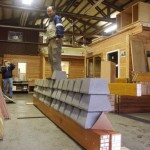
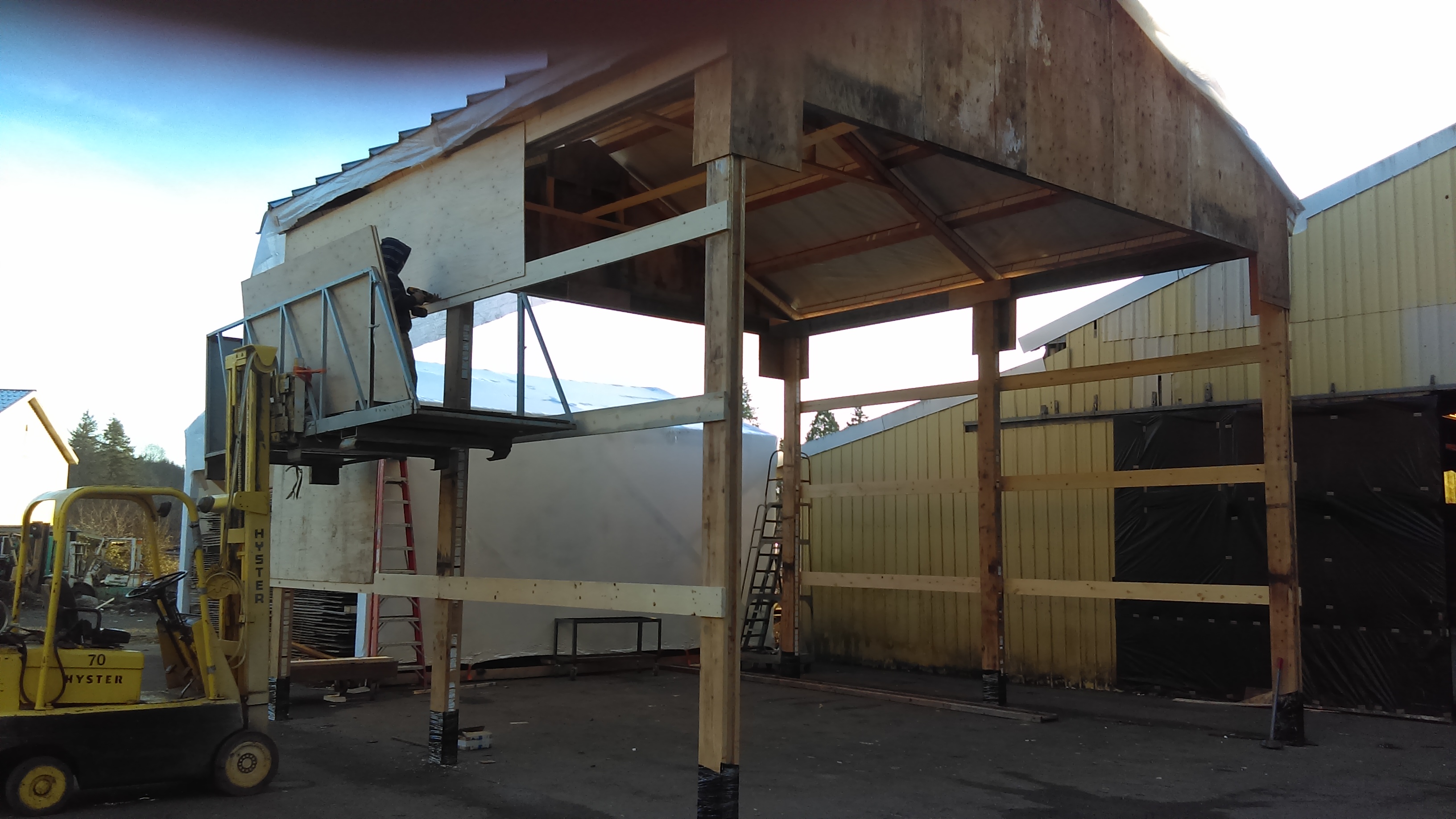
Because Sing Post and Beam is lightweight, forklifts can raise the entire assembly. In contrast, traditional materials would require complex lifting plans.
Furthermore, torsion box rigidity keeps the frame stable during lifting. Therefore, placement becomes smooth and controlled.
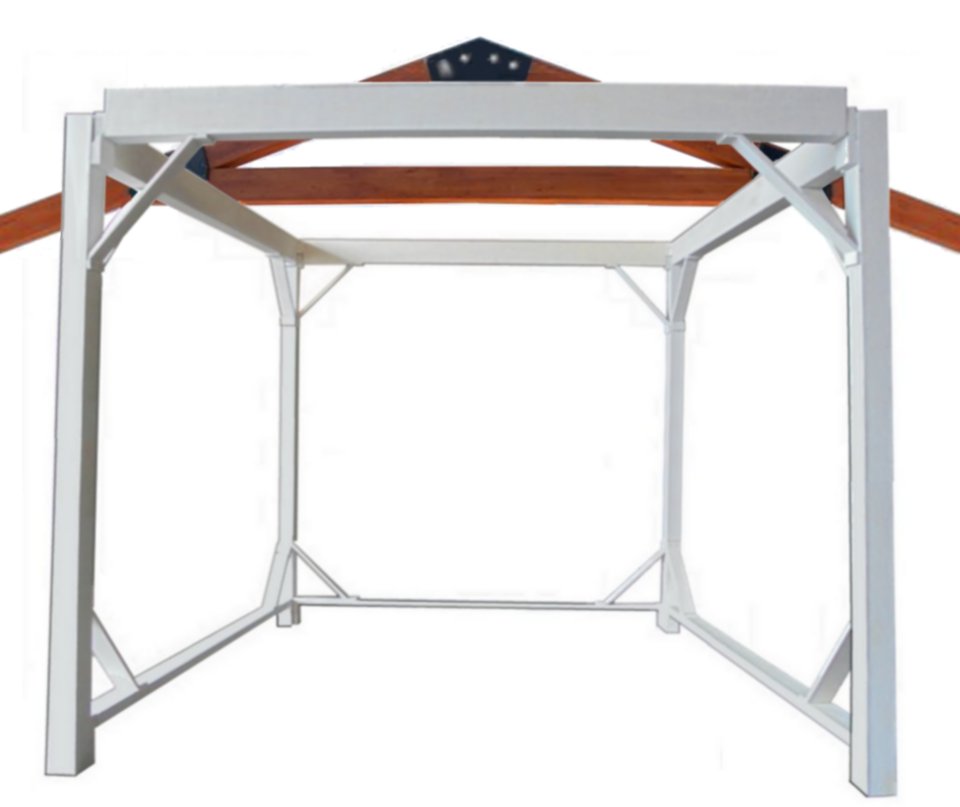
Step 4 — The Roof Lands on Four Sing Post and Beam Supports
Now, the structure comes together.
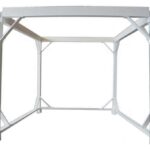
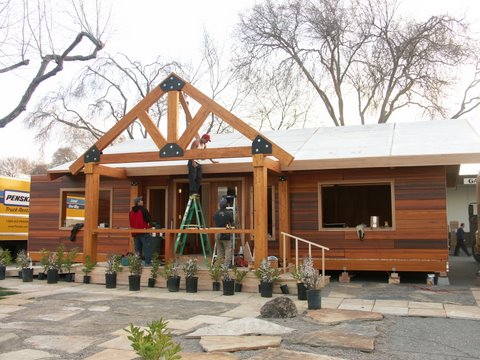
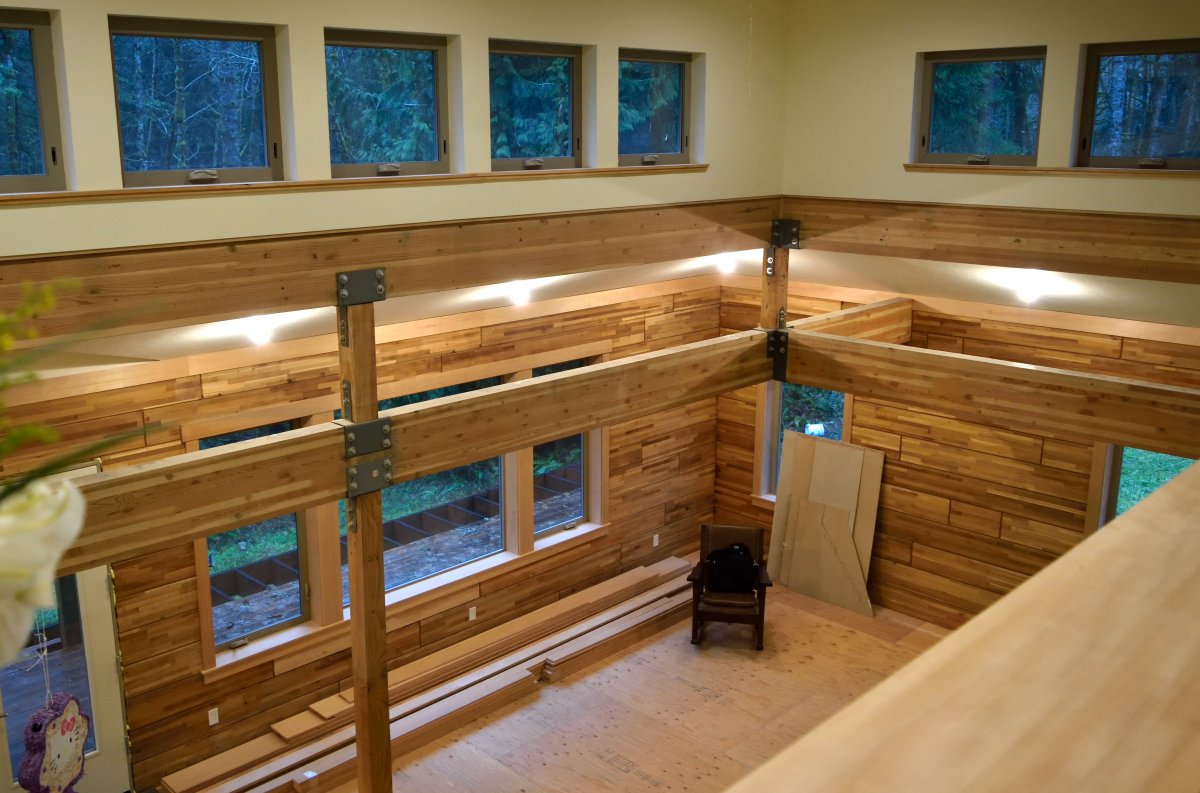
The lifted roof is set onto four primary Sing Post and Beam posts. Because of long-span strength, fewer supports are needed. As a result, open interior space increases.
Moreover, load spreads across the engineered core. Therefore, deflection stays low. Also, geometry remains stable.
No settling. No twisting. Or warping.
Step 5 — Walls Are Added to Complete the Sing Post and Beam Structure
After the Sing Post and Beam frame is in place, walls are added.
Since the structure carries the load, walls are simply enclosure. Therefore, design flexibility increases.
Sing Post and Beam systems are ideal for:
ADUs
Workshops
Garages
Studios
Modular structures
Additional buildings
Why Sing Post and Beam Performs Better
Sing Post and Beam Dimensional Stability
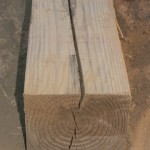
Solid wood moves. However, Sing Post and Beam stays straight. Because of torsion box engineering, movement is minimal.
Sing Post and Beam with Built-In Insulation
Sing Post and Beam includes insulation values from R 3.5 to R 6.5. In contrast, solid wood provides far less.
Precision
Sing Post and Beam remains flatter than solid lumber. Therefore, fit and finish improve.
Weather Resistance
Additionally, Sing Post and Beam resists rot and moisture. So long-term performance improves.
Because of this development, Sing Post and Beam solves major building problems:
Excess weight
Warping
Material movement
Structural inefficiency
The Advantage of Sing Post and Beam
Sing Post and Beam changes workflow.
First, build on the ground. Next, lift once. Then, set in place. Finally, add walls.
Faster. Safer. Lighter. Stronger.
That is why Sing Post and Beam is redefining structural construction.
*** GET AN ESTIMATE TODAY!!! ***
Ready to see what your project would cost? You can get a fast, personalized quote for your Sing Post and Beam structure directly from the source. Simply visit the Sing Core estimate page to share your project details, sizes, and specifications. From ADUs to large-span structures, the team will review your needs and provide pricing based on your exact design. Start here to request your estimate: https://singcore.com/pricing-3/get-an-estimate
See more of what Sing Core has to offer
See how Sing Core technology powers oversized, lightweight, warp-free doors at https://10ftdoors.com/.
To order Sing panel products, fill out the order form, here.
Sing Post & Beam Core
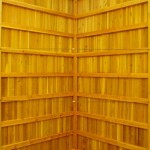
Sing Core is a veneer torsion box embedded in EPS foam. You can finish Sing Core with any load bearing facial material. In our core, we use the strongest material in the strongest form: vertical grain veneer! Our grid is stronger than other honeycomb sandwich cores because the veneer is arranged with the grain perpendicular to the skin.
Sing Post & Beam Panel
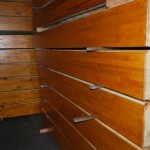
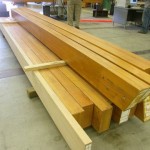
Sing Panels come complete with solid wood edging sandwiched in between the skins. Sing Panels and Beams are ready to distribute to consumers and businesses. Sing Panels are ready to be stained or painted depending on order type. Just assemble, prepare, paint and enjoy.
Weight: Honeycomb Core sandwich construction is used mostly in aviation. Our core can make panels weigh as little as 30% as much as solid wood panels. Go to our Price and Order page to use our panel weight estimation calculator.
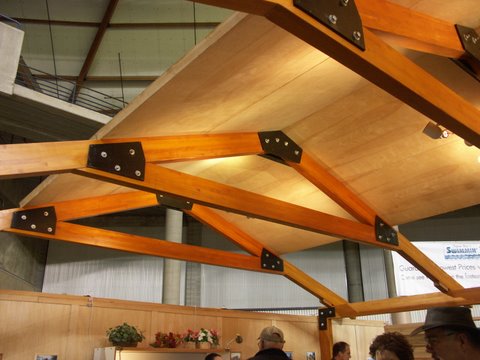
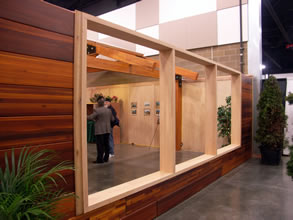
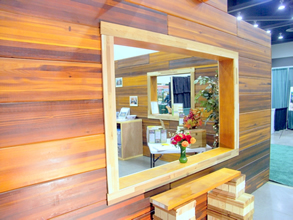
Post and Beam Trade Show Display
The modular Sing Post and Beam Trade Show Display is likely the best improvement in economical Eco-friendly lightweight high strength modular trade show displays.
Insulation value: The R-Value of Sing Honeycomb Core is 3.5-6.5, whereas that of solid wood ranges from .71-1.4.
Strength: 4’x8’ Sing panel to withstand up to 600 lbs.
Precision: Torsion Box structure is no longer a dream for the highly trained craftsman. Our endless I beam construction keeps the surface of our panels flatter than solid wood (within .007in!).
Fire Resistance: Level 2
Acclimatization:
Sing Honeycomb Panels acclimatizing; according to the type of the skin. Aluminum, metal, plastic skin, concrete, and ceramic skin will be delivered in perfectly straight condition without any acclimatizing, plywood, hardboard, and hpl because it will take much less time to acclimatize than mdf. The best way to acclimatize is stand panels on edge with 4” or more of equal spacing between each panel.